LED display applications fall into two groups: outdoor screens for advertising, transport information, sport and public messaging, and indoor screens for retail, corporate, hospitality, healthcare, education and creative installations. The right product depends on viewing distance, ambient light and mounting, from 1.5mm indoor cabinets to IP65 outdoor panels above 3,500 nits.
Updated September 2026. Guide first published November 2024.
This guide works through the main uses of LED displays sector by sector, outdoor first and then indoor, with the Dynamo projects that show each application in practice and a table of which LED range suits which job.
Key takeaways
- Outdoor applications need weather-sealed panels. Dynamo’s outdoor DRE and DVO cabinets are rated IP65 at the front and run above 3,500 nits on the datasheet, against 800 nits or more for a standard indoor cabinet.
- Indoor applications are decided by viewing distance. Fine pitches of 1.5mm to 1.9mm suit lobbies and meeting rooms, 2.5mm to 3.9mm suit retail and hospitality, and coarser pitches suit halls and arenas.
- Advertising and public information are the largest outdoor uses; retail, corporate and entertainment the largest indoor uses.
- Most outdoor screens in the UK need advertisement consent or planning permission before they go up.
- The project examples in this guide are all Dynamo installations: Arsenal FC’s Armoury store, AutoTrader’s Manchester HQ, 40 Leadenhall, the VML snowflake and Dubai Airport arrivals.
Outdoor Applications
LED displays are widely used outdoors because a sealed cabinet, rated to the IP code (IP65 at the front on Dynamo’s outdoor ranges), keeps working in rain and direct sun, and a brightness above 3,500 nits stays readable in daylight. Dynamo’s outdoor LED displays cover the full range below.
These displays are a popular choice for delivering dynamic content to large audiences, whether in urban spaces or remote areas. The most common uses of outdoor LED screens include advertising, public information, and entertainment.
Outdoor advertising
Outdoor advertising is one of the most prominent applications of LED displays. In England the screen itself usually needs advertisement consent under the outdoor advertising regulations before it is installed, so the consent application runs alongside the design. With their ability to capture attention through vivid colours and dynamic content, LED screens have become a go-to medium for brands looking to make an impact. These displays allow advertisers to reach their target audience more effectively by placing visually compelling messages in high-traffic areas. Common examples of outdoor advertising using LED screens include:
- Building Facade Displays: LED panels are mounted on the exterior of buildings to transform them into large advertising platforms. These screens are highly visible and often used to broadcast promotional content, events, or brand messages in bustling urban centres.
- Outdoor TV and Pub Garden Screens: Restaurants, pubs, and entertainment venues use outdoor LED screens to broadcast sports events or live performances. These displays enhance the customer experience by offering clear, high-quality visuals, even in daylight.
- Billboard Advertising Displays: Traditional billboards are being replaced by digital LED billboards, which offer advertisers more flexibility to update content in real-time. LED billboards are commonly placed on highways, city streets, and shopping districts, maximising visibility.
- Digital Street Furniture Displays: LED displays integrated into street furniture like bus stops and kiosks are used to share public information and advertisements. These displays are designed to catch the attention of commuters and pedestrians while they wait or pass by.
- Shopping Mall Outdoor Displays: Many shopping malls use outdoor LED displays to advertise sales, events, or promotions to attract more foot traffic. These displays are often placed at the mall entrance or in high-traffic exterior areas to engage shoppers before they even enter the mall.
Transport and public information
LED displays are widely used in transport and public spaces, where they provide real-time information to help travellers and residents find their way. These displays suit outdoor use because they stay visible in all weather.
- Airport Flight Information Displays: Airports rely on LED screens to display flight schedules, gate changes, and boarding information. These screens ensure that passengers have access to the latest updates in a clear, easy-to-read format. LED screens are preferred because they can operate around the clock and remain highly visible, even in bright environments like airport terminals.
- Guest Guidance at Ports and Stations: LED screens at ports, bus stations, and train terminals are essential for guiding passengers to the correct platforms or gates. These displays often show real-time updates about arrivals, departures, and delays, making them a crucial tool for efficient transportation management.
- Road Traffic Information Displays: Variable-message signs are frequently installed along highways and busy city streets to provide drivers with updates about road conditions, construction, accidents, or detours. These screens help improve traffic flow by offering timely, easily understandable messages to drivers.
- Transport and Highway Message Displays: Similar to traffic displays, LED screens on highways are used to inform drivers about speed limits, weather conditions, or emergency messages. These displays are highly reliable and are often used in areas where rapid communication is essential for public safety.
- Parking Lot Information Displays: In large parking facilities, LED screens show real-time availability of parking spaces, guiding drivers to open spots and helping to minimise congestion. These displays are useful in shopping malls, airports, and large event venues, where parking space management is a priority.
- Public Transit Information Displays: LED screens installed in subway stations, bus stops, and tram stations keep passengers updated with current schedules, delays, and important service changes. These screens are crucial for ensuring a smooth transit experience by delivering timely information to commuters.
- City Square and Plaza Screens: Public squares and plazas often feature large LED screens that display local news, event updates, or community announcements. These screens serve as a communication tool for city governments and event organisers, helping to keep residents informed and engaged with local happenings.
Business and corporate exteriors
On the outside of a building, LED displays are used to raise brand visibility and communicate important messages to both employees and the public. These screens are often placed in strategic locations to maximise exposure and ensure that key information reaches the intended audience.
- Business Promotion Displays: Many businesses use LED screens outside their buildings or in high-traffic areas to promote their products and services. These displays are an effective way to capture the attention of potential customers and showcase new offerings. They allow companies to update content frequently, keeping their messaging fresh and relevant.
- Corporate Branding on Building Exteriors: LED screens mounted on the exterior of corporate buildings help to reinforce a company’s brand identity. These displays can be used to showcase the company logo, mission statements, or announcements about upcoming events or initiatives. The vibrant visuals offered by LED technology ensure that the branding is eye-catching and memorable.
- Community Media Displays: Companies often use LED screens to share community-focused content, such as local news, job openings, or social initiatives. By doing so, businesses can foster stronger ties with the communities they serve. These displays are also an excellent platform for sharing public service announcements or promoting charity events, further enhancing the company’s reputation as a community leader.
Outdoor entertainment and sport
LED displays are a core part of modern outdoor entertainment. Their vibrant visuals and adaptability make them ideal for enhancing experiences at large-scale events. These displays ensure that even the furthest audience members feel connected to the action, providing clear, high-quality visuals.
- Sports Venue Information Displays: Sports stadiums rely heavily on LED screens to keep fans informed about scores, game statistics, and live replays. These large displays are strategically placed to ensure everyone in the venue has access to important game details, enhancing the overall spectator experience.
- Scoreboard Displays: In addition to general information screens, LED scoreboards play a key role in keeping athletes and fans updated on real-time scores, time remaining, and other critical game data. Their brightness ensures visibility in various weather conditions, so they suit outdoor sport.
- Outdoor Festival Screens: Music festivals and other large outdoor events use LED displays to broadcast performances to the audience, ensuring that even attendees far from the stage can enjoy a clear view. These screens can also display event schedules and sponsor messages, offering a mix of entertainment and practical information.
- Amphitheatre and Open-Air Concert Screens: For outdoor concerts and performances in amphitheatres, LED screens amplify the experience by projecting close-ups of performers, ensuring that the entire audience has a clear view of the stage. This also allows for creative visual effects, complementing the live performance and making the event more immersive.
Government and military
LED displays serve many critical functions in government and military operations, where clear, reliable communication is essential. From emergency alerts to military command centres, these screens help convey important information quickly and efficiently.
- Command Centre Displays: Military and government command centres depend on LED displays for real-time data visualisation. These screens show vital information, such as live video feeds, maps, and operational updates, which allow personnel to make informed decisions swiftly in critical situations.
- Military Signage: LED screens are often used on military bases for signage, displaying important security information, event updates, and general announcements. These displays are durable and can function in various environmental conditions, making them ideal for outdoor use on military grounds.
- Emergency Information Displays: In times of natural disasters or other emergencies, LED displays are an essential tool for quickly sharing important information with the public. These screens can be updated in real-time to communicate evacuation instructions, emergency shelter locations, or weather warnings, helping to ensure public safety during crises.
- Border Control and Security Displays: LED displays are also used at border control points to provide travellers with updates on entry procedures, security alerts, and health-related notices. These screens help maintain smooth operations at international borders by keeping travellers informed and ensuring they follow necessary protocols.
Indoor Applications of LED Displays
Indoor LED displays run at lower brightness than outdoor panels (800 nits or more on the DX Series datasheet) and use finer pixel pitches because viewers stand closer. Their ability to be customised for different purposes makes them popular in sectors like advertising, entertainment, and retail. These displays allow for enhanced customer engagement and immersive experiences, whether in a shopping mall or an entertainment venue.
Advertising and retail
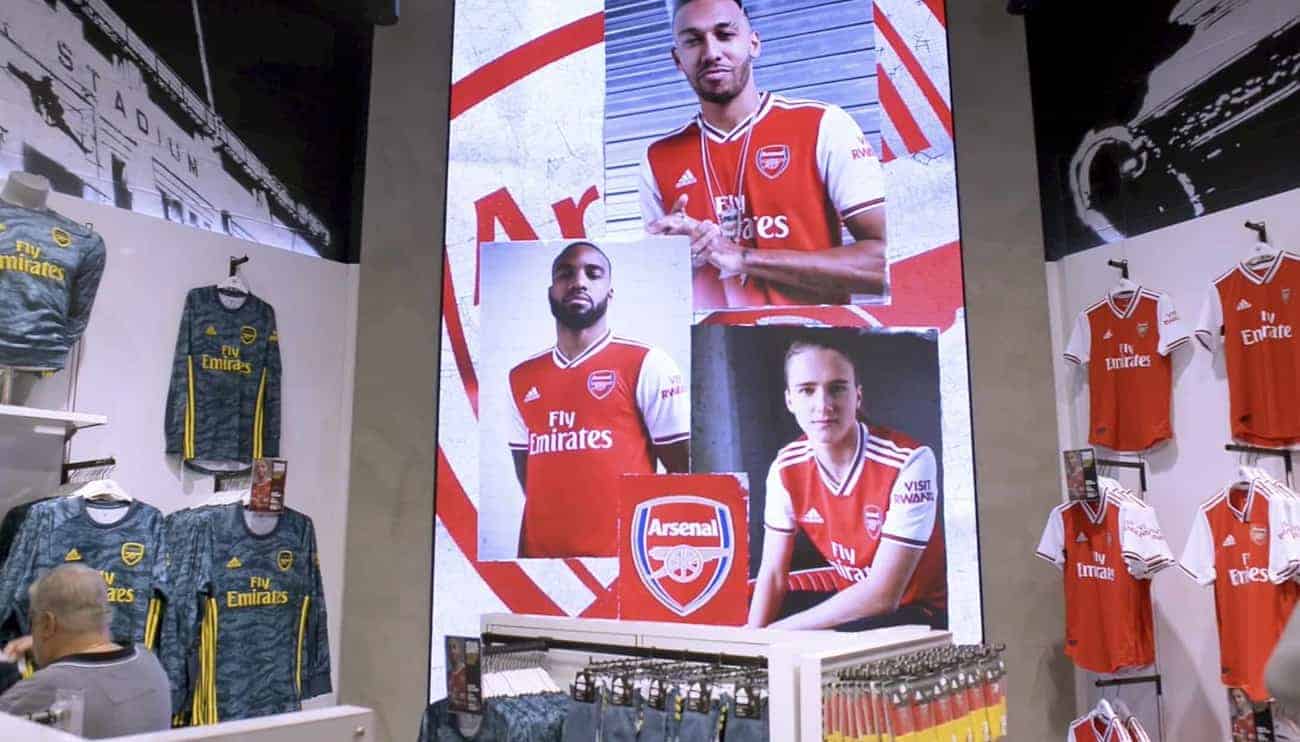
Retail is where Dynamo installs most often. At Arsenal FC’s Armoury store we fitted six portrait high-brightness window screens of 2 m by 2.5 m at 3.9mm pitch, two internal LED walls of 2.5 m by 4.5 m at 2.5mm, and a custom 3mm LED ticker running more than 13 m with right-angle returns. LED displays are commonly used in retail spaces to attract customers and create engaging experiences. These screens provide a clear and bright way to communicate promotions, product information, and brand messages.
- Retail Signage and Shop Displays: Stores use LED screens to highlight promotions, new arrivals, or special deals. These displays are often placed in high-traffic areas, such as entrances or near checkout points, to grab the attention of shoppers. LED signage allows for real-time updates, ensuring that information remains current.
- Indoor Advertising and Film Shoots: LED screens are frequently used in advertising production, offering a versatile backdrop for shooting commercials or marketing campaigns. Their ability to display any kind of visual content makes them ideal for filming dynamic scenes that require quick transitions between different environments or effects.
- Digital Menu Boards: In cafes, fast food chains, and restaurants, LED screens serve as digital menu boards. These screens can be updated easily to reflect changes in pricing, new menu items, or daily specials, making them more flexible than traditional static menus.
- In-Mall Advertising Displays: Inside shopping malls, LED displays are placed in common areas to advertise events, promotions, or store openings. These screens capture the attention of passersby and increase foot traffic to specific stores.
- Window Display Screens (for store promotions): LED displays installed in store windows are used to promote seasonal sales, limited-time offers, or new products. These screens help draw attention from pedestrians, making window shopping a more interactive experience.
- Showroom LED Displays: In showrooms, LED screens are used to enhance product presentations. Whether it’s an automotive dealership or an electronics store, these displays showcase features of products, such as vehicles or gadgets, in a visually appealing manner, providing potential customers with detailed information.
Indoor entertainment venues
Indoor entertainment venues rely heavily on LED displays to engage audiences and enhance their experiences. These screens bring immersive visuals to life, whether in theatres, concert halls, or theme parks.
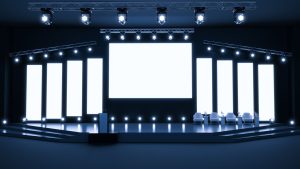
- Concert and Live Event Displays: In indoor concert venues, LED screens are often placed behind the stage to project live feeds of the performance or display visual effects synchronised with the music. This adds a layer of excitement to the event, ensuring that the entire audience, even those seated far from the stage, can enjoy the performance.
- Theme Park and Amusement Park Displays: LED screens in indoor sections of theme parks or amusement centres are used for a variety of purposes, including showcasing ride information, safety instructions, and entertainment videos. These displays also enhance themed attractions by displaying immersive visuals that complement the overall experience.
- Cinema and Film Projection Displays: LED technology is increasingly being used in cinemas for film projection, offering crisper images and better contrast than traditional projectors. The use of LED screens allows for sharper resolution and a more engaging viewing experience for moviegoers.
- Casino and Interactive Experience Displays: In casinos, LED screens are used to display games, leaderboards, or promotional content. These screens also offer interactive experiences, such as digital games or tournaments, making them a central part of the entertainment atmosphere.
- Entertainment Venue Screens: Indoor entertainment venues, such as theatres and concert halls, rely on LED displays to communicate important information to guests, such as event schedules, seating arrangements, or upcoming performances. These screens are often placed in lobbies or entrances, enhancing the visitor experience.
- Indoor Stadium Displays: In indoor sports arenas, LED screens are used to display scores, player statistics, and replays, ensuring that spectators are constantly informed during events. The bright and clear visuals provided by these displays help to maintain audience engagement throughout the game.
- Museum and Exhibition Displays: Museums and exhibition halls use LED screens to display interactive exhibits, videos, or detailed information about artefacts. These screens offer a modern approach to presenting historical or educational content, making the learning experience more dynamic for visitors.
- Interactive Displays for Art Installations: LED displays are increasingly being integrated into art installations, allowing artists to create interactive digital art that responds to viewer movements or inputs. These screens serve as both a medium and a canvas, opening up new possibilities for creativity and audience interaction.
Business and corporate interiors
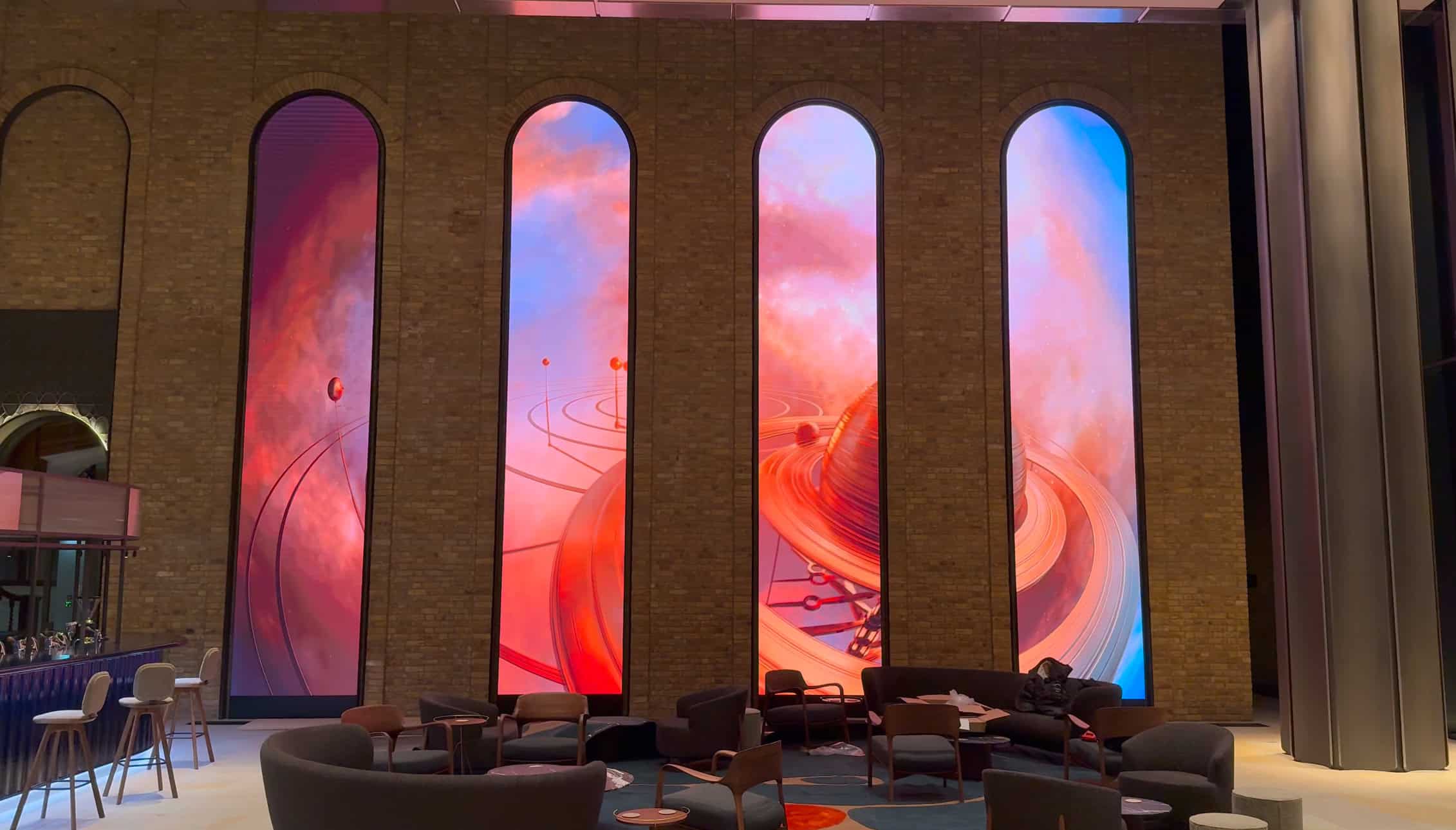
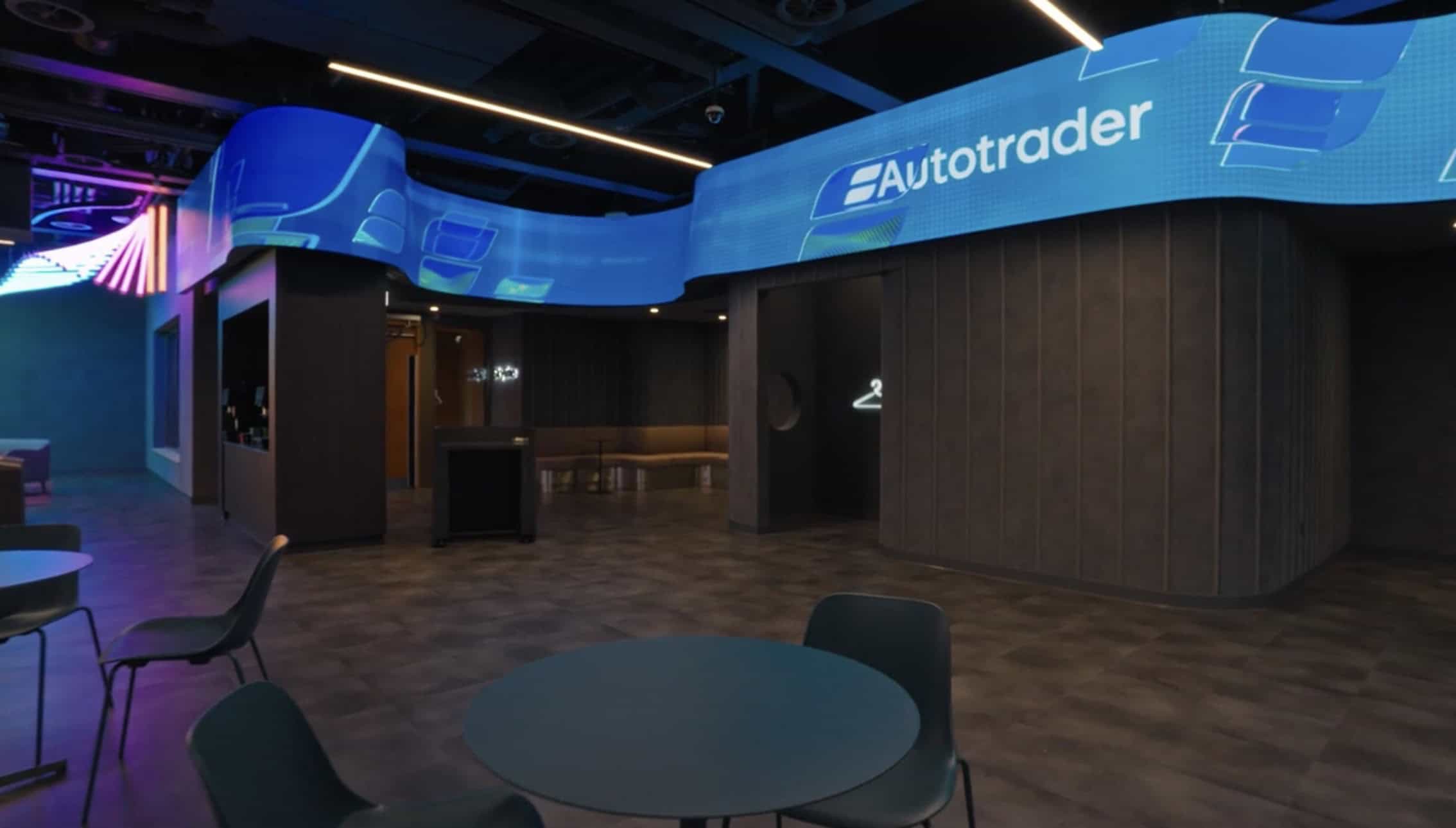
Two recent Dynamo corporate projects show the range. At 40 Leadenhall in the City of London we recessed four bespoke LED arches, each 7.38 m high by 1.488 m wide, into the foyer walls. At AutoTrader’s Manchester headquarters, with creative partner Pixel Artworks, we delivered five zones including a double-curved 1.86mm flexible LED ribbon and a live-data halo ticker; the project is an AV Awards 2026 finalist. In business and corporate settings, LED displays improve communication, branding, and operational efficiency. Whether enhancing the visitor experience or supporting internal communication, LED screens offer versatile solutions that improve the flow of information and create more engaging environments.
- Reception and Lobby Displays: LED screens in lobbies and reception areas help create a professional and welcoming atmosphere. These displays often show corporate branding, important announcements, or even live news. They are also used to greet visitors or provide directions within the building.
- Office and Call Centre Displays: In offices and call centres, LED screens are used to display performance metrics, productivity statistics, or important updates. These real-time displays help employees stay informed and motivated, while also allowing management to communicate critical information efficiently.
- Factory and Production Displays: In manufacturing environments, LED screens display key operational data, such as production rates, machine status, or safety information. These displays are crucial for improving workflow efficiency and ensuring that employees are aware of important operational details throughout their shifts.
- Financial Ticker Displays: In financial institutions, LED ticker displays are widely used to provide live updates on stock prices, exchange rates, or market trends. These dynamic screens ensure that employees and visitors have access to the latest financial information in real time.
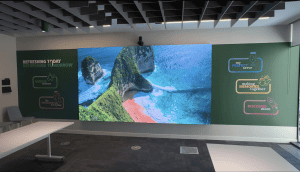
- Conference Room Screens: LED displays in conference rooms serve multiple purposes, from video conferencing to presenting data and charts during meetings. These high-resolution screens ensure that presentations are clear and engaging for all participants, making them a valuable tool for internal and client-facing meetings.
- Digital Wayfinding Systems (inside large office complexes): Large office complexes use LED displays for wayfinding systems to help visitors and employees navigate the building. These digital signs provide real-time directions and floor plans, improving the overall user experience in complex spaces.
- Stock Exchange Screens: LED displays are a key feature in stock exchanges, where they show live trading data, stock prices, and market movements. These screens provide traders with the up-to-the-second information needed to make quick and informed decisions.
Healthcare
In healthcare environments, LED displays play a vital role in improving communication, patient care, and operational efficiency. These displays are used in various locations within healthcare facilities to ensure that patients, staff, and visitors have access to important information.
- Hospital and Waiting Room Displays: In hospitals and medical facilities, LED screens are often placed in waiting rooms to display patient queue information, health tips, or public announcements. These displays help improve the patient experience by reducing perceived waiting times and providing useful information.
- Health and Safety Displays: LED screens in healthcare facilities are also used to promote health and safety measures. These displays may provide reminders about hygiene protocols, health precautions, or emergency procedures, contributing to a safer and more informed environment for patients and staff.
- Pharmacy LED Displays (for promotions and information): Pharmacies use LED screens to display promotions on medications, healthcare products, and services. These displays can also provide important health-related information, such as flu season updates or reminders about vaccination schedules.
- Operating Room and Diagnostic Screens: In operating rooms and diagnostic centres, LED screens are used to display real-time data, including patient vitals, imaging results, or procedural information. These high-precision screens are critical for ensuring that medical professionals have the information they need at the point of care.
Education
LED displays have become an integral part of modern educational environments, offering dynamic ways to deliver content and engage students. These displays provide clear visuals, interactive capabilities, and flexible learning solutions, helping institutions enhance the educational experience.
- Educational Institution Displays: Schools and universities use LED screens to share important announcements, event schedules, and other real-time updates with students and staff. These displays are commonly placed in high-traffic areas like hallways and common rooms, ensuring that essential information reaches the intended audience efficiently.
- Digital Lecture Hall Displays: LED screens in lecture halls provide an effective way to display presentations, videos, and interactive content during lectures. These screens offer high visibility even in large spaces, ensuring that all students can follow along with the material being presented.
- Interactive Classroom Displays: Many modern classrooms are incorporating interactive LED displays, allowing teachers to engage students more effectively. These displays support various teaching methods, including touchscreen capabilities that enable hands-on learning, collaborative exercises, and digital note-taking.
- Libraries use digital signage to display event schedules, book availability, or even student announcements. In addition, LED screens are often placed around campuses to provide navigation assistance, ensuring students and visitors can easily find their way to classrooms, lecture halls, or offices. Interactive LED displays in libraries or study spaces also serve as collaborative learning tools, providing students with opportunities to interact with educational content, tutorials, or live updates about campus events.
Hospitality
In the hospitality industry, LED displays are widely used to enhance the guest experience, from providing real-time information to showcasing promotional content. Whether in hotels, resorts, or restaurants, these displays play a crucial role in delivering clear communication and engaging visuals.
- Hotel Lobby and Resort Displays: LED screens in hotel lobbies provide guests with essential information, such as check-in details, local attractions, and event schedules. These displays also serve as an ideal platform for promoting hotel amenities, special offers, or upcoming events, helping hotels create a welcoming and informative environment.
- Restaurant Displays: Restaurants use LED displays for various purposes, from digital menu boards to promotional screens showcasing new dishes or special offers. These screens help streamline communication between the restaurant and its customers, ensuring that guests are well-informed about menu options and ongoing promotions. LED screens can also be used in fine dining establishments to set the atmosphere with subtle visuals or rotating art displays.
Religious and community
In religious and community settings, LED displays provide clear communication and improve the experience of congregants and community members. These screens offer a modern way to share important information, from event details to religious messages, while fostering a greater sense of connection within the community.
- Church Displays: Many places of worship use LED screens during services to display song lyrics, sermon notes, or scripture passages. These displays are often placed in the main worship area, ensuring that everyone in attendance can easily follow along. Churches also use LED displays to announce upcoming events, services, and community outreach programmes.
- Digital Memorial and Event Displays (for ceremonies): LED screens are often used during memorial services and ceremonies to display photos, videos, and messages of remembrance. These digital displays help create a meaningful and personalised tribute during significant life events, ensuring that everyone in attendance can participate in honouring loved ones.
- Community Centre Information Displays: Local community centres use LED displays to provide information on events, activities, and classes available to the public. These screens can also display real-time updates, such as weather conditions or emergency alerts, making them an invaluable resource for keeping the community informed.
Sculptural and creative
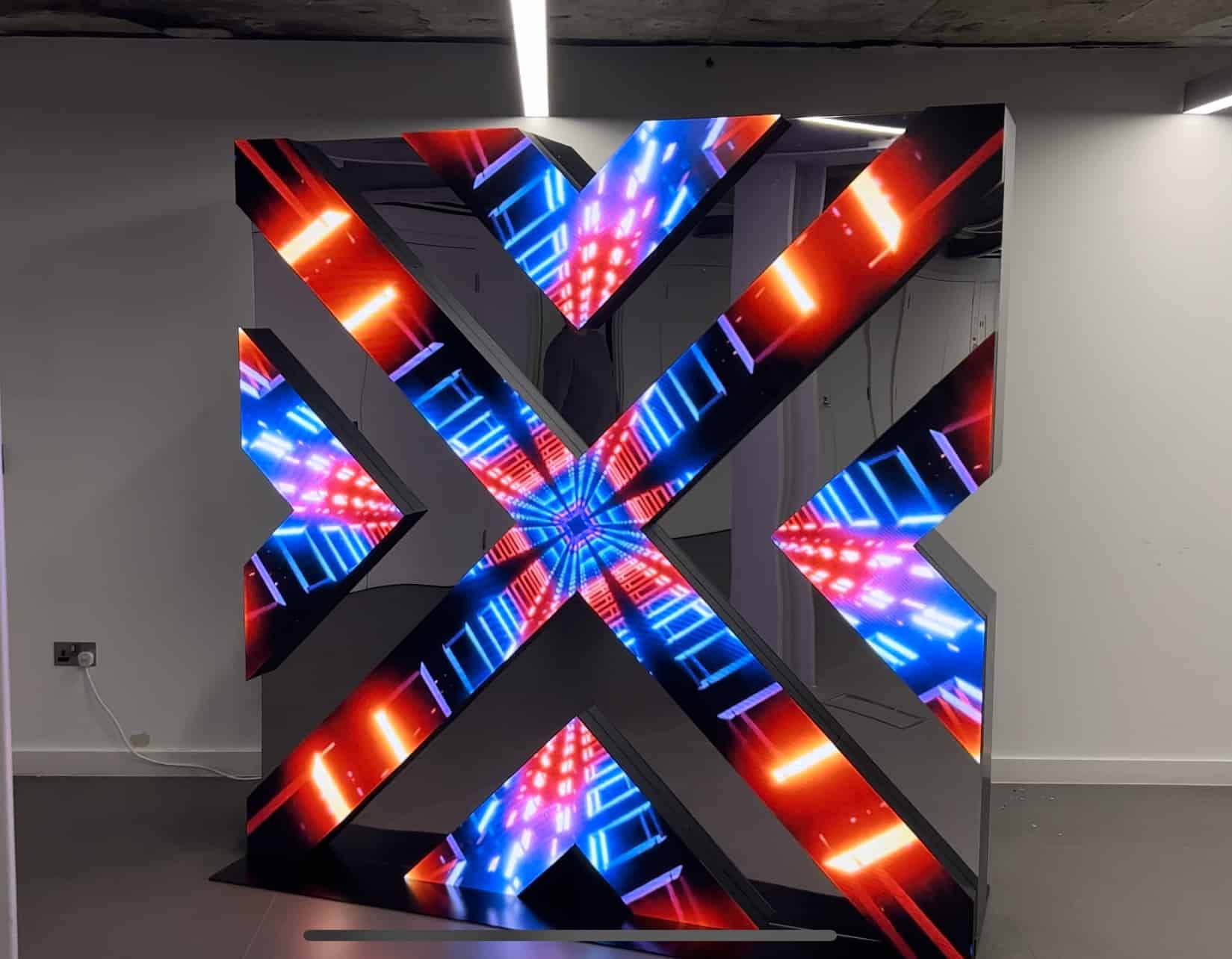
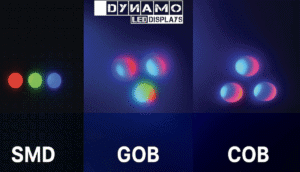
Dynamo’s clearest example is the VML snowflake: the agency’s logo reproduced in its London headquarters lobby from triangular 2mm pixel pitch LED modules with GOB resin protection, so the display is the logo rather than a screen showing it. LED displays are also embraced in artistic and creative installations, where they offer innovative ways to communicate messages or create visual impact. These displays provide a dynamic platform for combining art and technology, allowing artists and designers to engage audiences in new and exciting ways.
- Sculptural Message Boards: Artists and designers use LED screens as part of sculptural installations, transforming traditional displays into works of art. These installations often incorporate text or imagery, which can be updated or changed in real time, creating an interactive experience for viewers. Sculptural message boards are used in public spaces, galleries, and even corporate environments to convey meaningful content in an artistic format.
Financial and public institutions
LED displays are a critical component in financial and public institutions, where clear communication and real-time updates are essential. These institutions rely on LED screens to provide timely and accurate information to customers, employees, and the general public. The flexibility and visibility of these displays allow for quick updates and effective content delivery, ensuring that important messages are conveyed efficiently.
- Bank Displays: In banking environments, LED displays are used to communicate various forms of information to customers. From promoting financial products like loans and savings plans to displaying the latest exchange rates, these screens provide a dynamic and engaging way to keep clients informed while they wait. Banks also use LED screens for security updates or regulatory information that needs to be visible to all clients.
- Government Office Digital Signage: Government buildings use LED displays to communicate with visitors and employees. These screens display real-time updates on services, appointment times, and announcements. In addition, LED signage in government offices often includes directions to different departments or floors, helping visitors navigate complex government facilities more easily.
- Bank Queue Management Screens: To improve customer experience, banks frequently install LED queue management systems. These systems use LED displays to inform customers of their queue status, reducing perceived wait times and making the overall process more efficient. Real-time updates on ticket numbers help to organise the flow of customers, ensuring that the banking experience is smoother and more orderly.
Additional Industries (Indoor and Outdoor)
LED displays have become a staple across numerous industries, offering versatile solutions for both indoor and outdoor environments.
Automotive: LED Displays in Car Dealerships and Service Centres
In the automotive industry, LED screens are widely used to enhance customer experience and streamline operations. Car dealerships use these displays to showcase new models, highlight promotions, and provide detailed vehicle specifications. Large LED panels in showroom windows attract passersby and increase foot traffic.
In service centres, LED screens help manage customer flow by displaying queue information and service statuses, ensuring a smoother experience. They can also feature promotional content about maintenance packages or offer visual tutorials on car care.
Real Estate: LED Screens for Property Showcases in Windows
Real estate agencies use LED displays to feature property listings in a more engaging way. High-resolution LED screens placed in agency windows showcase real estate photos, floor plans, and property details, capturing the attention of potential buyers or renters. These screens are especially useful in high-traffic areas, allowing passersby to view updated listings without needing to enter the office.
Transportation Hubs: Airport Lounges, Train and Metro Stations
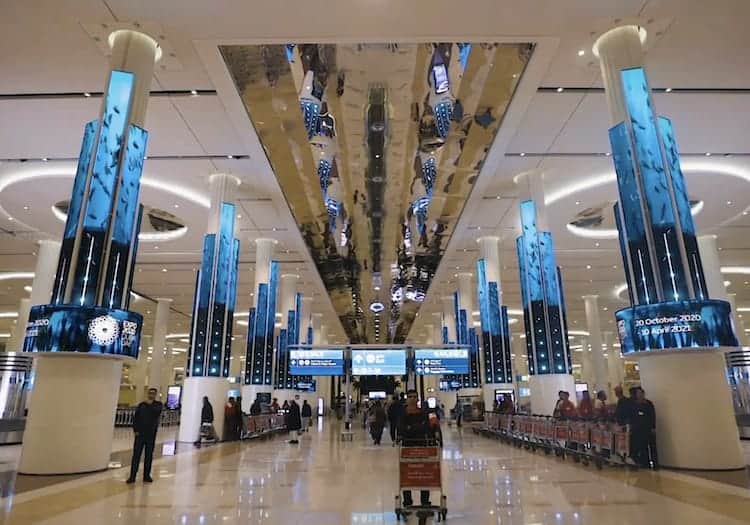
LED displays have changed communication in transport hubs, providing clear and concise information to travellers. For Dubai International Airport Terminal 3, Dynamo supplied 169 m² of 2.5mm pixel pitch LED across ten structures in the arrivals hall, with flexible curved 2.5mm LED forming wrap-around halo screens at the base of four columns, appointed by Pixel Artworks. Flight information displays are the everyday version of the same technology.
Airports use these screens for real-time flight updates, gate information, and boarding announcements. In airport lounges, large LED screens create a comfortable atmosphere by displaying entertainment content such as news, weather, or sports updates.
Train and metro stations use LED displays to inform passengers about train schedules, platform changes, and potential delays. The bright and legible nature of LED screens makes them ideal for communicating time-sensitive information in crowded environments.
Food & Beverage: Displays in Food Courts and Quick-Service Restaurants
In the food and beverage sector, LED displays are used to present digital menu boards, promotions, and advertisements. In food courts and quick-service restaurants, these displays help streamline operations by reducing the need for printed menus and offering flexible content that can be updated instantly.
LED displays also enable dynamic pricing, allowing restaurants to change prices based on time or demand. They can also be used to promote new dishes or highlight seasonal offerings, driving sales in a competitive market.
Retail: In-Store Navigation and Digital Pricing Labels
Retailers are increasingly adopting LED displays to enhance in-store experiences. LED screens provide digital wayfinding systems, helping customers navigate large stores or shopping malls more easily. In-store navigation displays show promotions, direct customers to different sections, and improve overall customer engagement.
Digital pricing labels powered by LED displays allow retailers to change product prices in real-time. These displays reduce manual labour and ensure that pricing is consistent across multiple stores or locations.
Telecommunications: Stores with Digital Displays for Plans and Promotions
Telecommunication stores rely on LED displays to promote their latest mobile plans, devices, and accessories. These screens are often placed at the store entrance or inside, capturing the attention of customers as they explore new offerings. LED screens help telecom brands create visually appealing displays for product launches, special deals, and service plans.
Which LED display suits each application?
The figures below are from the Dynamo product datasheets. As a rule the minimum comfortable viewing distance in metres is close to the pixel pitch in millimetres, so a 1.9mm lobby wall is read from 2 m and a 6mm billboard from 6 m or more.
| Application | Environment | Dynamo range | Pixel pitch | Brightness (datasheet) |
|---|---|---|---|---|
| Lobbies, boardrooms, broadcast | Indoor, close viewing | DFC Series | 1.58mm and 1.9mm | 600 to 1,500 nits |
| Retail, hospitality, education, healthcare | Indoor, mid distance | DX Series | 1.9mm to 5.9mm | 800 nits or more |
| Shop windows facing the street | Indoor, behind glass | DX HB | 2.9mm and 3.9mm | 3,000 nits or more |
| Events, exhibitions, outdoor stages | Outdoor or indoor, rental | DRE Series | 1.55mm to 3.875mm | Above 3,500 nits outdoor, IP65 front |
| Billboards, building facades, stadium exteriors | Outdoor, long distance | DVO Series | 6mm to 16mm | Above 6,000 nits, IP65 front |
Fixed indoor projects at 1.5mm to 1.9mm are specified from the DFC range, mid-pitch retail and corporate walls from DX, events from DRE, and large outdoor faces from DVO. Our LED video walls page covers the build-up of any of these into a full wall.
Planning an outdoor LED installation? In most UK locations these projects need advertisement consent or planning permission before installation. Our LED Planning Support Pack gives you a planner-ready document to submit with your application, prepared by an LED specialist in 48 hours.
LED display applications: frequently asked questions
What are the main applications of LED displays?
Outdoors, LED displays are used for advertising billboards and building facades, transport and traffic information, stadium scoreboards, festival screens and public messaging. Indoors, the biggest uses are retail signage and windows, corporate lobbies and meeting rooms, entertainment venues, hospitality, healthcare, education and custom creative installations such as the VML snowflake.
What is the difference between indoor and outdoor LED displays?
Outdoor displays are sealed against water and dust, IP65 at the front on Dynamo’s DRE and DVO ranges, and run above 3,500 nits so they stay readable in daylight. Indoor displays are not weather sealed, run at 800 nits or more, and use finer pixel pitches because viewers stand closer. Shop windows sit in between and use high-brightness indoor cabinets of 3,000 nits or more.
Which pixel pitch does each application need?
Use the viewing distance. A lobby or boardroom wall read from 2 m suits 1.5mm to 1.9mm. Retail and hospitality walls read from 3 m to 5 m suit 2.5mm to 3.9mm. Event stages and exhibition walls work at 2.6mm to 3.9mm, and a roadside billboard read from 10 m or more can use 6mm to 16mm. Finer pitch costs more per square metre because there are more LEDs.
Do outdoor LED displays need planning permission in the UK?
Usually yes. An illuminated outdoor screen showing advertising needs advertisement consent from the local planning authority under the outdoor advertising regulations, and a screen fixed to a building may also need planning permission. Dynamo prepares a planner-ready LED Planning Support Pack for these applications. Indoor screens, including those visible through a shop window, are generally treated differently, so check with the authority early.
How bright does an LED display need to be?
It depends on the light around it. Dynamo’s indoor DX Series cabinets are rated at 800 nits or more, which is ample for a shop floor or office. Window displays that face daylight through glass use the DX HB cabinets at 3,000 nits or more. Outdoor DRE panels run above 3,500 nits and large-format DVO billboards above 6,000 nits so content holds up in direct sun.
Can one LED display be used for several applications?
Yes, because an LED display is a blank canvas driven by a content system. The same corporate lobby wall can show branding in the morning, a live data ticker during the day and an event feed in the evening. AutoTrader’s Manchester HQ combines a decorative curved ribbon, a live listings ticker and an interactive AI wall on one control system, and content on all of them is changed remotely.
Get a quote for an LED display
Tell us the application, the viewing distance and whether the screen is indoors or out, and we will come back with a pixel pitch, a cabinet layout and a written quote. Get a quote or call 020 3489 9878.