
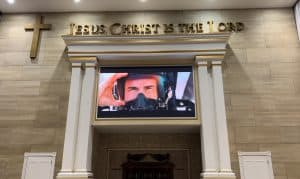
Church LED Wall vs Projector: Ambient Light, Sightlines and Running
Most churches that call us already have a screen. It is a projector that nobody can read on a bright Sunday morning. For a daylit nave, a church LED wall beats a projector on readability, placement and ten-year...
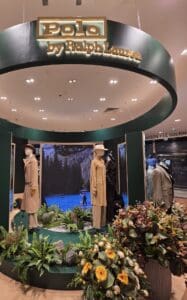
Curved LED Screens for a Retail Activation: Ralph Lauren’s Rotating
How Dynamo built a double-sided LED wall and two concave flexible LED screens into a rotating Ralph Lauren podium at Galeries Lafayette Paris.
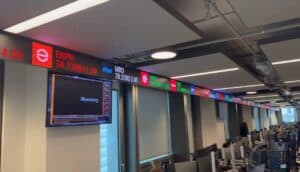
Trading Floor LED Ticker for PIMCO’s New London Office at
How Dynamo designed and installed a 35 m, 1.95 mm trading floor LED ticker along the ceiling line of PIMCO's new London office at 25 Baker Street.
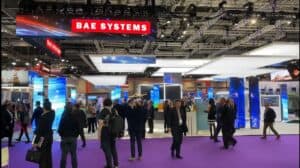
LED Wall Hire for Conferences vs a Printed Backdrop: Which
We hire LED walls out for a living, so this post is written against our own interest. LED wall hire for conferences is the right call more often than it used to be, but not every stage needs...
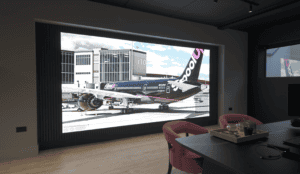
LED Wall vs Projector for Screening Rooms: What to Know
Most people weighing an LED wall vs projector for screening rooms have just sat through a demo that went wrong. A film school converting a classroom into a 60-seat screening room books a viewing, the integrator brings LED...
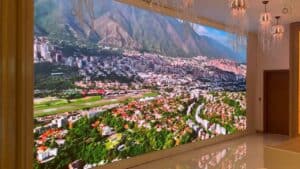
LED Screen Fire Rating: What Building Control Actually Wants to
Ask a manufacturer for an LED screen fire rating and you will usually get a datasheet line that says "UL 94 V-0" or "flame retardant" and nothing else. That is not what a fire engineer, building control officer...
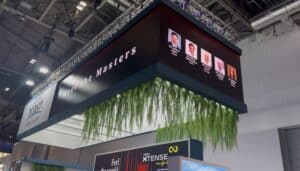
Hanging LED Banner for an Exhibition Stand: Biotech at ESCRS
How a 22.5 sq m U-shaped hanging LED banner and a 3 m x 2 m fine-pitch booth wall gave the Biotech stand a beacon and a close-up wall at ESCRS 2026 in London.
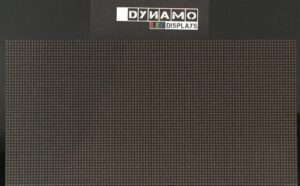
LED Module Components: What Fails First And Why
Specifiers ask us the same question in different words: when an LED display goes wrong, what actually breaks? The answer lives on the LED module, the tile-sized board every cabinet is built from. Knowing the LED module components...
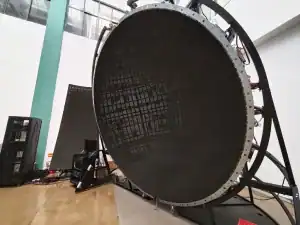
LED Wall Commissioning Checklist: What Happens Between Installation And Handover
An LED wall commissioning checklist is the document that turns a wall of lit cabinets into an LED video wall you can sign off. Installation gets the cabinets on the structure and the cables in. Commissioning proves the...

LED Wall Hire Quote Explained: Day Rates and How to
An LED wall hire quote should tell you what you are paying for, not just what you are paying. An LED wall hire quote is an itemised price for renting LED cabinets, processing, structure, power, transport and crew...
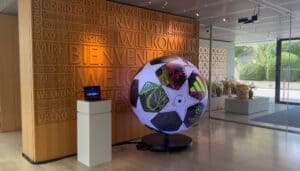
LED Sphere Hire at UEFA’s Headquarters: A Three-Format Technology Showcase
LED sphere hire, an interactive 86-inch Holobox and a transparent mesh LED poster, staged by Dynamo at UEFA's headquarters for a sports marketing agency.
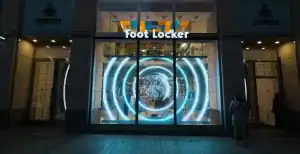
Transparent LED: The Transparency vs Resolution Trade-Off Explained
Every specifier working with transparent LED reaches the same fork: push for higher transparency to preserve natural light and sightlines, or tighten the pixel pitch for sharper image quality. The transparent LED transparency vs resolution trade-off
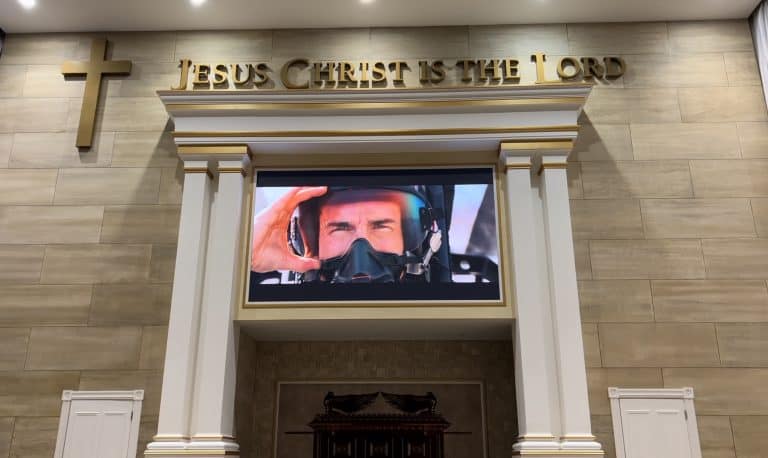
Church LED Wall vs Projector: Ambient Light, Sightlines and Running Costs
Most churches that call us already have a screen. It is a projector that nobody can read on a bright Sunday morning. For a daylit nave, a church LED wall beats a projector on readability, placement and ten-year
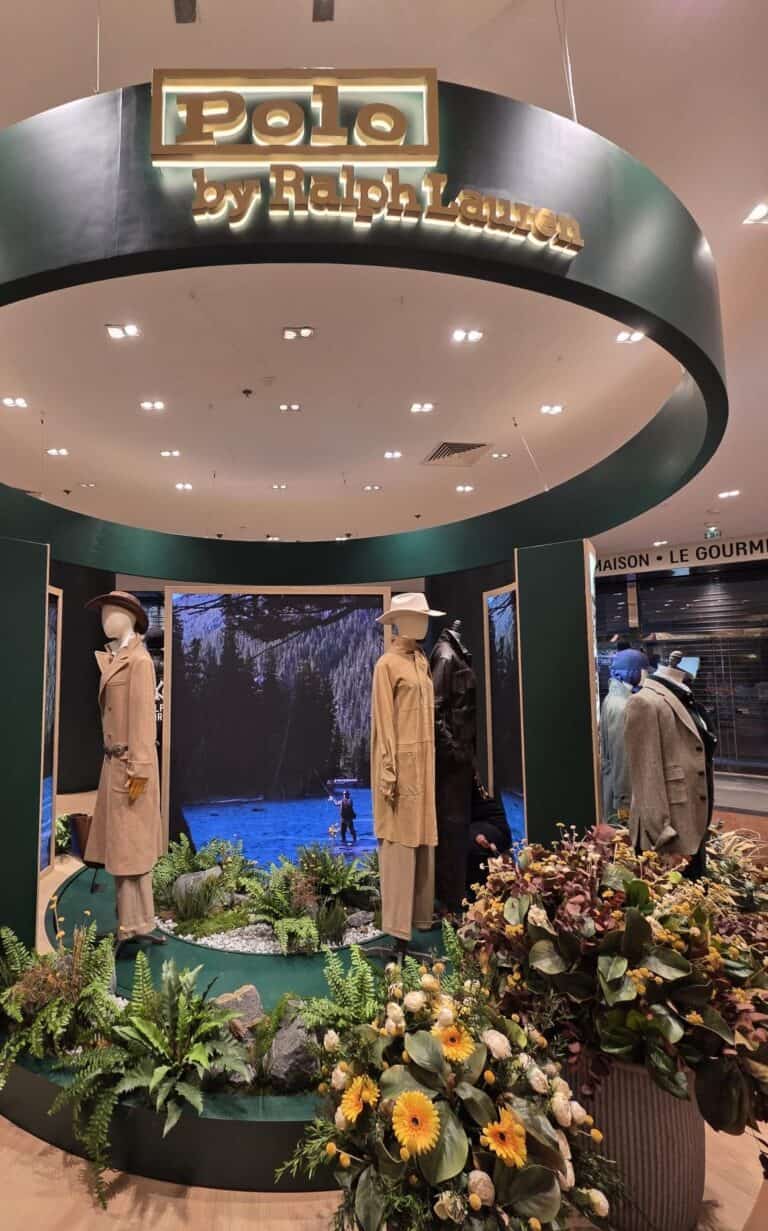
Curved LED Screens for a Retail Activation: Ralph Lauren’s Rotating Podium at Galeries Lafayette Paris
How Dynamo built a double-sided LED wall and two concave flexible LED screens into a rotating Ralph Lauren podium at Galeries Lafayette Paris.
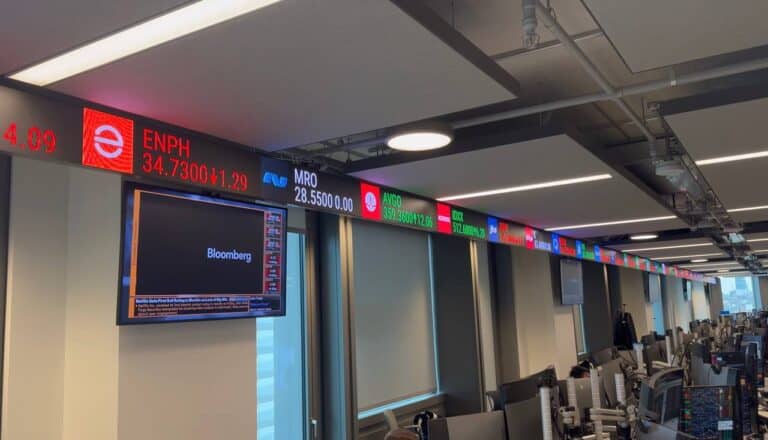
Trading Floor LED Ticker for PIMCO’s New London Office at 25 Baker Street
How Dynamo designed and installed a 35 m, 1.95 mm trading floor LED ticker along the ceiling line of PIMCO’s new London office at 25 Baker Street.
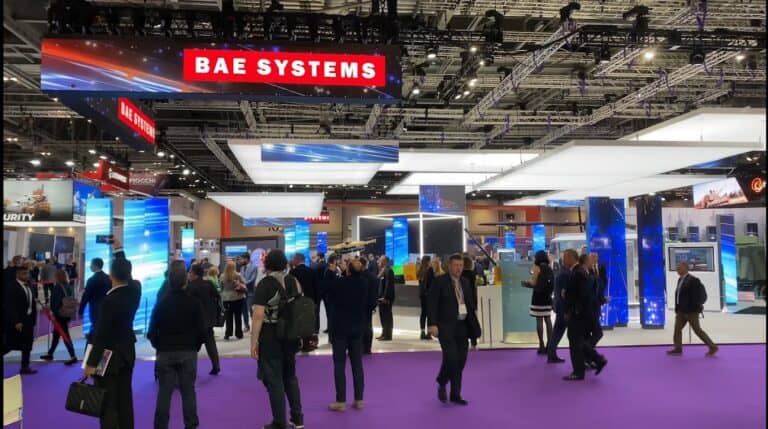
LED Wall Hire for Conferences vs a Printed Backdrop: Which Wins?
We hire LED walls out for a living, so this post is written against our own interest. LED wall hire for conferences is the right call more often than it used to be, but not every stage needs
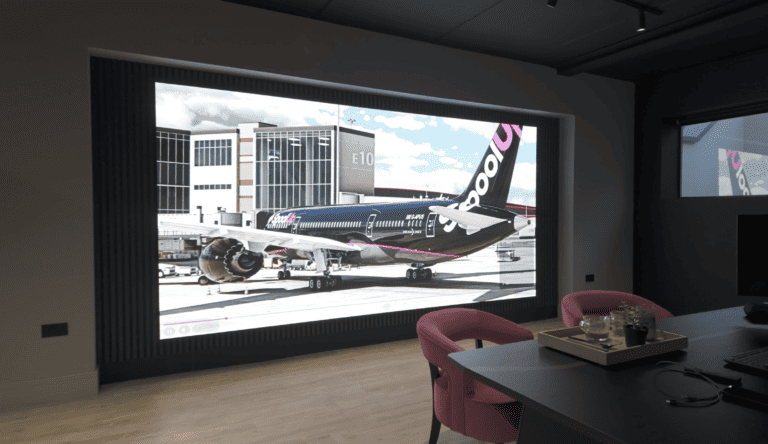
LED Wall vs Projector for Screening Rooms: What to Know Before You Buy
Most people weighing an LED wall vs projector for screening rooms have just sat through a demo that went wrong. A film school converting a classroom into a 60-seat screening room books a viewing, the integrator brings LED
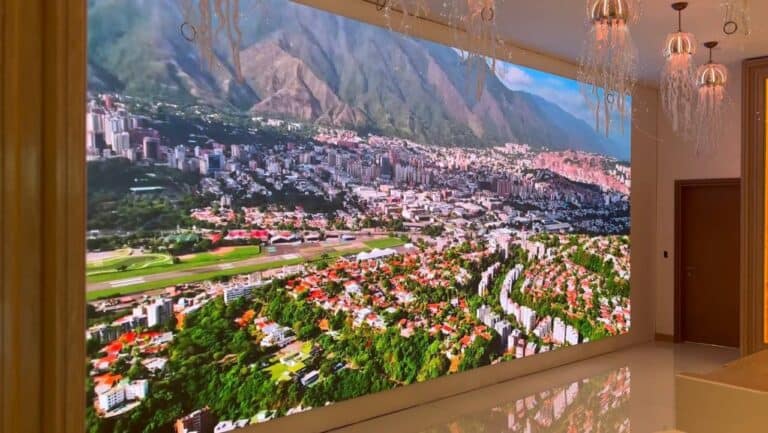
LED Screen Fire Rating: What Building Control Actually Wants to See
Ask a manufacturer for an LED screen fire rating and you will usually get a datasheet line that says “UL 94 V-0” or “flame retardant” and nothing else. That is not what a fire engineer, building control officer
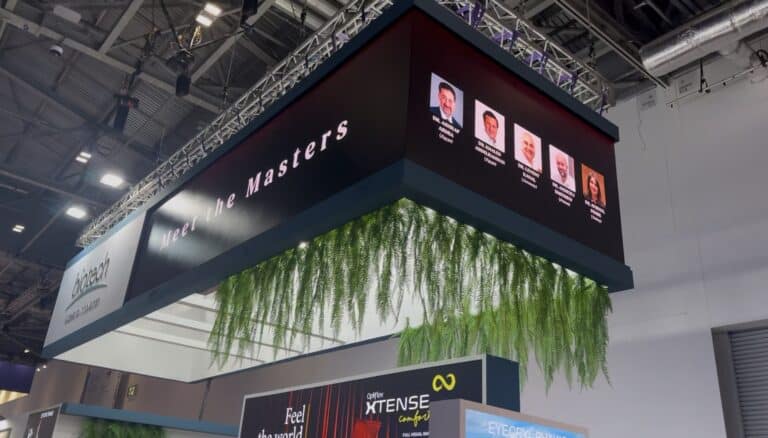
Hanging LED Banner for an Exhibition Stand: Biotech at ESCRS 2026, ExCeL London
How a 22.5 sq m U-shaped hanging LED banner and a 3 m x 2 m fine-pitch booth wall gave the Biotech stand a beacon and a close-up wall at ESCRS 2026 in London.
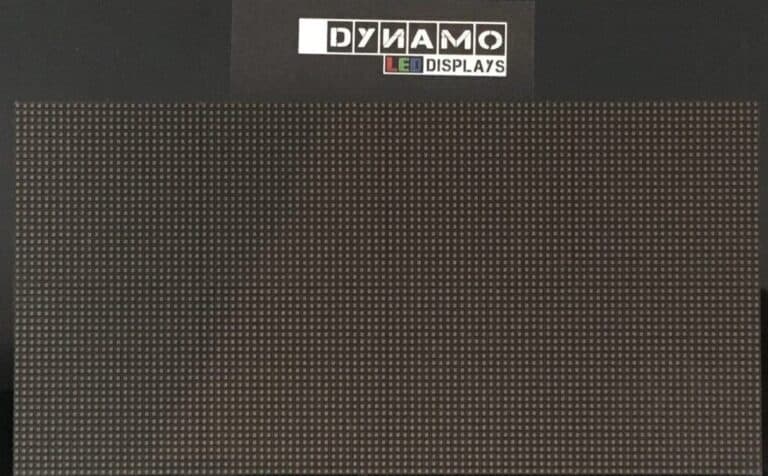
LED Module Components: What Fails First And Why
Specifiers ask us the same question in different words: when an LED display goes wrong, what actually breaks? The answer lives on the LED module, the tile-sized board every cabinet is built from. Knowing the LED module components
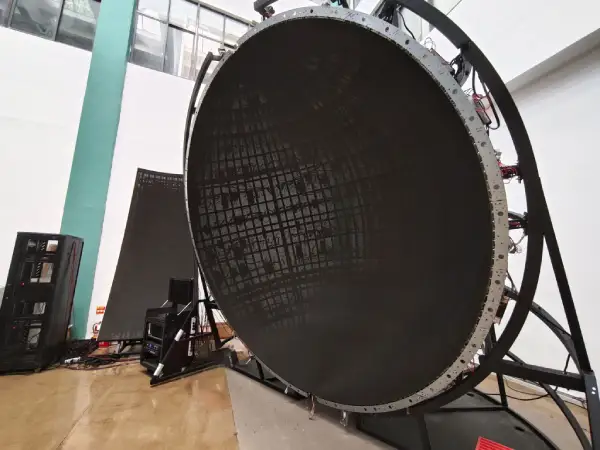
LED Wall Commissioning Checklist: What Happens Between Installation And Handover
An LED wall commissioning checklist is the document that turns a wall of lit cabinets into an LED video wall you can sign off. Installation gets the cabinets on the structure and the cables in. Commissioning proves the

LED Wall Hire Quote Explained: Day Rates and How to Compare
An LED wall hire quote should tell you what you are paying for, not just what you are paying. An LED wall hire quote is an itemised price for renting LED cabinets, processing, structure, power, transport and crew
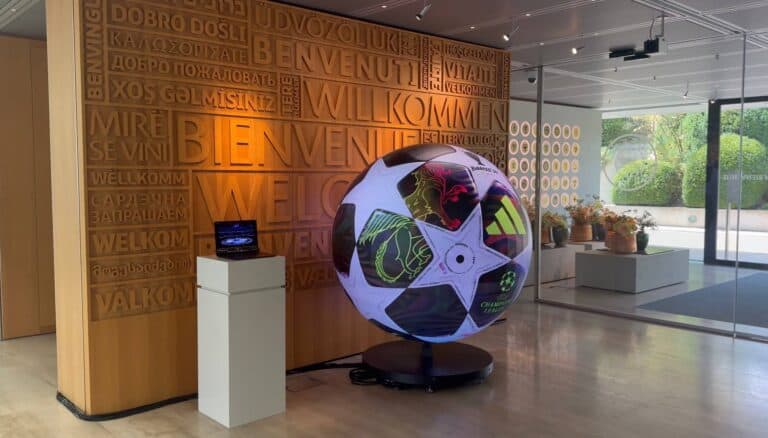
LED Sphere Hire at UEFA’s Headquarters: A Three-Format Technology Showcase
LED sphere hire, an interactive 86-inch Holobox and a transparent mesh LED poster, staged by Dynamo at UEFA’s headquarters for a sports marketing agency.
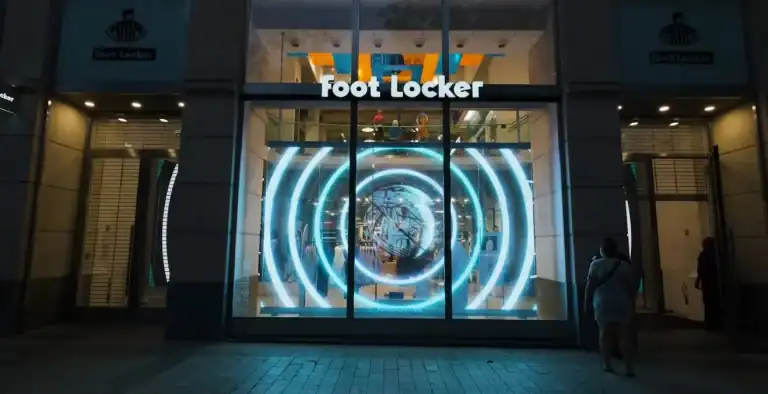
Transparent LED: The Transparency vs Resolution Trade-Off Explained
Every specifier working with transparent LED reaches the same fork: push for higher transparency to preserve natural light and sightlines, or tighten the pixel pitch for sharper image quality. The transparent LED transparency vs resolution trade-off