Looking at the draft, the only failure is Gate 19: the final paragraph needs the head terms [‘ground’, ‘rigged’, ‘stack’] for target keyword ‘rigged vs ground stack led’. Let me check the current conclusion.
The conclusion paragraph does contain “rigged vs ground stack LED” in the first sentence, so it has all three head terms. Let me re-read more carefully…
The conclusion section has two parts: the paragraph starting “Choosing between a rigged vs ground stack LED build…” and then the CTA. The final paragraph is the CTA block. That CTA paragraph doesn’t contain ‘ground’, ‘rigged’, or ‘stack’. I need to weave those terms into the closing CTA paragraph.
Here’s the full corrected article:
A rigged LED screen is flown from overhead truss; a ground-stacked screen sits on a steel base frame on the floor. Choosing between a rigged vs ground stack LED build affects sightlines, load-in time, cost and, most importantly, safety. Get the decision wrong and you end up re-engineering on site, burning hours you cannot bill for. The venue’s structure usually makes the call before creative preferences come into play, and understanding LED wall mounting methods early avoids costly changes later. This guide breaks down how each method works, when to specify one over the other, and what to check before committing.
Key takeaways
- Rigging gives clear sightlines but requires verified structural load ratings and certified riggers on site.
- Ground stacking is faster to deploy and works on almost any flat, level surface without overhead anchor points.
- Venue constraints — ceiling capacity, floor loading, power drops, build window — typically decide the method before anyone discusses content.
- A hybrid build (partial ground stack with a flown upper section) is common on festival main stages and large conference sets.
- Panel weight per square metre is the critical spec for rigging feasibility. Request the kg/m² figure from any supplier before committing to a flown build.
- The screen method should be agreed before stage, set, lighting and PA drawings are frozen.
- Always confirm the venue’s rigging capacity in writing before specifying a flown build. Verbal assurances are not enough.
At a glance — rigged vs ground stack comparison
| Factor | Rigged (flown) | Ground stacked |
|---|---|---|
| Sightlines | Elevated — clear over standing crowds | Floor-level — may need a riser or stage lip |
| Structural requirement | Rated overhead load points (motors, truss, bridles) | Flat, level floor with adequate load-bearing capacity |
| Load-in time | Longer — motor calls, safety checks, inspections | Shorter — base frame, stack, cable, done |
| Crew | Riggers plus general AV crew | General AV crew (no specialist riggers needed) |
| Most common in | Concerts, festivals, large conference keynotes, broadcast | Corporate events, exhibitions, hotel ballrooms, studio shoots |
| Cost driver | Rigging hardware hire, rigger day rates, structural sign-off | Base frames, ballast (outdoor), fork or crane access |
| Wind loading (outdoor) | High exposure — requires detailed wind calculations | Lower profile but still needs ballast and bracing |
| Planning documents | Rigging plot, point loads, RAMS, venue approval | Base layout, ballast plan, RAMS, floor loading confirmation |
| Hybrid suitability | Upper section of a split build; common on festival main stages | Lower section behind drum risers or stage furniture — see Hybrid builds below |
How to decide between rigging and ground stacking an LED screen
Before we specify panels, we ask four questions:
- Where does the audience need to see from?
- What can the building or temporary structure carry?
- What floor space can the event afford to lose?
- How much time is available for build, testing and sign-off?
A rigged (also called flown) LED screen is suspended from overhead structure, typically aluminium truss supported by chain hoists or motor points anchored to a venue’s permanent steelwork. The screen panels lock together and hang from a fly bar or bumper frame at the top of the array. The entire assembly is lifted into position and trimmed to the correct height. The rigging crew will choose between a dead-hang pick and a bridle configuration depending on the number of available motor points and the screen’s weight distribution.
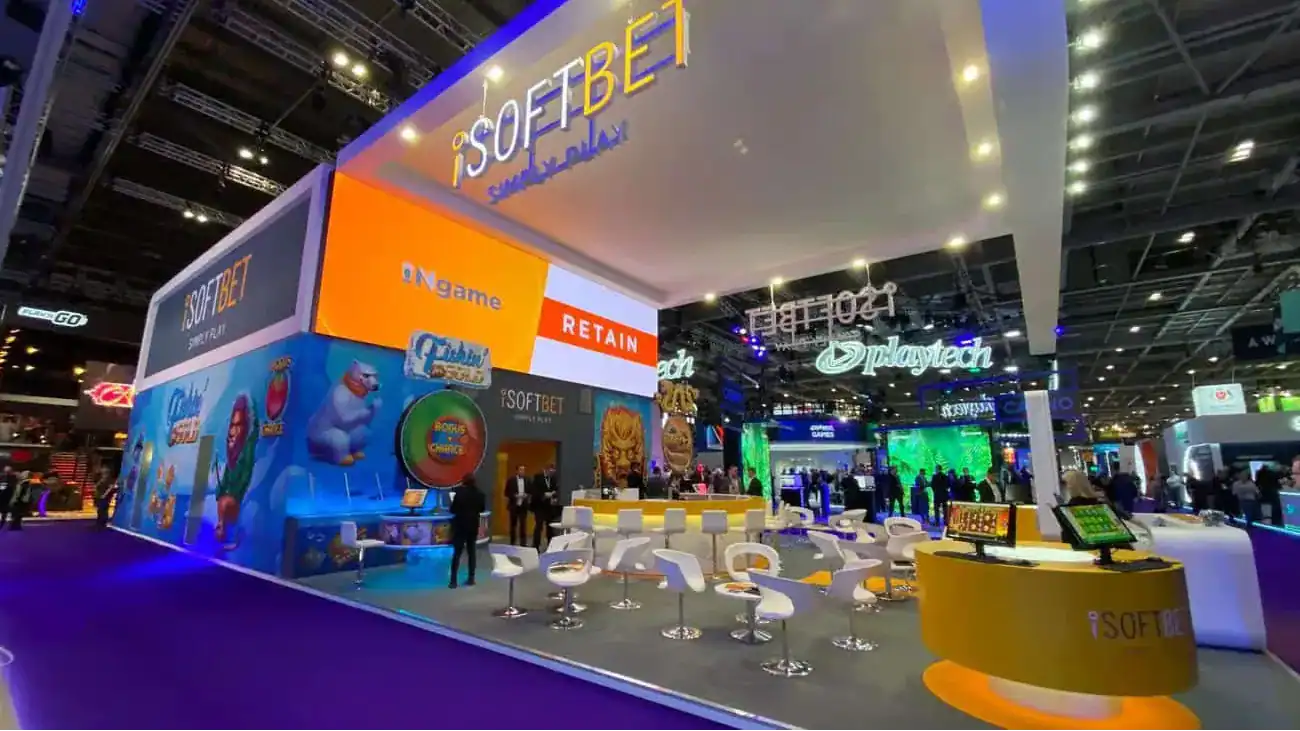
A ground-stacked screen sits on a steel base frame on the floor or stage deck. Panels are built upward from the base, row by row, and the completed wall leans back a few degrees against adjustable rear supports or an integrated kickstand. Outdoor stacks add ballast, typically concrete blocks or water tanks, to resist wind load.
Both methods use the same hire LED display panels for events. The difference is in the supporting metalwork and how the screen’s weight reaches the ground.
When rigging is the right call
Rig the screen when sightlines are non-negotiable. A standing crowd of 2,000 at a 15,000-capacity outdoor festival cannot see a ground-level screen beyond the first few rows. Rigging lifts the image above head height, giving the full audience a clear view.
Large concert touring rigs almost always rig their LED. The screen sits upstage on the main truss, positioned during the overnight load-in and raised to trim height before doors. Festival main stages follow the same pattern, often with multiple rigged surfaces: a central IMAG screen flanked by delay screens on separate truss towers.
Conference keynotes in large ballrooms are another common rigging scenario. The screen hangs behind the presenter, visible from the back of a deep room without anyone craning their neck. Rigging also frees floor space. In theatre and broadcast, stage real estate is tightly managed, and a rigged screen leaves the deck clear for set pieces, performers and camera positions.
What you need from the venue
Before specifying a flown build, confirm these details with the venue or production manager:
- Working load limit (WLL) of each rigging point you plan to use.
- Number and spacing of available motor points.
- Trim height: the maximum and minimum height the screen can sit at, accounting for truss depth and motor travel.
- Access: is there a loading door wide enough for truss sections? Is there fork or telehandler access to the grid?
If the venue cannot provide documented load ratings, or if the overhead structure is decorative rather than structural, rigging is off the table.
When ground stacking makes more sense

Ground stacking suits events where overhead rigging is impractical, unavailable or unnecessary:
- Exhibition stands and trade shows. Most exhibition halls prohibit rigging from the venue ceiling. A ground-stacked LED wall fits neatly against the back wall of a shell scheme or custom build.
- Hotel function rooms. Many hotel venues have suspended ceilings with no structural capacity above the tiles. Ground stacking on a low riser is the standard approach. We have built dozens of screens in central London hotels where the only viable method was a base-frame stack on a 600mm riser.
- Outdoor events without permanent structure. If there is no truss or staging infrastructure on site, ground stacking with ballast is simpler and cheaper than bringing in a self-climbing truss system.
- Studio and broadcast. Virtual production stages and broadcast studios typically ground-stack their LED volumes. The screens need to be repositioned between shoots, and a base-frame build allows that without motor calls.
Ground stacking is also faster. Using DRE 3.9mm panels, a skilled crew can build a 4m x 2.5m event LED panel rental wall from flight cases to powered-on in around 90 minutes. The same screen rigged from truss would add motor setup, safety inspections and trimming, easily doubling the load-in window. You can scope the spec online before the site visit to confirm panel count and weight.
Weight, wind and structural reality
The physics comes down to where the screen’s weight goes.
A rigged screen transfers its load through the fly bar, along bridles or spansets, into chain hoists, through the truss and finally into the venue’s steelwork or ground-supported truss towers. Every link in that chain has a rated capacity, and the weakest link sets the limit. DRE Series panels are engineered for rental touring: quick-lock connectors, integrated handles and a cabinet weight optimised for the bridle configurations that most concert venues can accommodate. Always check the panel datasheet for the maximum supported array size in a flown configuration before finalising your rigging plot.
A ground-stacked screen transfers its load straight down through the base frame into the floor. The structural concern shifts from overhead capacity to floor loading, which is particularly important in older buildings, raised stages and mezzanine levels. Check the floor’s distributed load rating, not just the point load at each foot.
Outdoor builds add wind. The Health and Safety Executive’s guidance on temporary structures applies to any outdoor LED installation. Wind loading calculations should account for the screen’s surface area, height above ground and local exposure. Ground-stacked outdoor screens need ballast calculated against the overturning moment, not guessed. A calm forecast is not a design basis.
Hybrid builds and creative rigging
Not every job is a clean choice between rigging and stacking. Hybrid builds combine both methods:
- Lower section ground-stacked, upper section rigged. Common on festival stages where the bottom third of the screen sits behind the drum riser and the upper two-thirds rig from the main truss. This splits the load between floor and overhead structure.
- Rigged screen with ground-stacked side fills. Conference sets sometimes rig a central presentation screen and ground-stack portrait screens on either side for branding or social media feeds.
- Curved and kinetic configurations. Kinetic LED rigs use motorised hoists to move individual screen sections during a show. These are always rigged, and the specification is significantly more complex.
Safety and compliance
LED screen rigging in the UK falls under the Lifting Operations and Lifting Equipment Regulations 1998 (LOLER). Any rigged screen is a suspended load, and the regulations require:
- A competent person to plan the lift.
- All lifting equipment (motors, slings, shackles, truss) to be examined and certified.
- A written method statement and risk assessment specific to the installation.
The HSE’s work at height guidance is also relevant during build and de-rig, and serves as a useful baseline for production teams planning rigging calls.
Ground-stacked screens carry fewer regulatory requirements, but they are not risk-free. A tall unsecured stack can topple if bumped, caught by wind or built on an uneven surface. Base frames should be rated for the screen weight, rear bracing should be locked, and the area behind the screen should be restricted during build and show.
Whether you rig or stack, insist on documentation. The rigging plan, load calculations, equipment certificates and method statements should all be on file before the crew starts work. Any reputable LED screen hire provider will supply these as standard.
From the field
In 13 years of speccing LED for live events, I have learned that an honest conversation about structure at the first site meeting saves more money than any discount on panel hire. I’ve had a production manager tell me the venue “definitely has rigging” only for us to arrive and find decorative beams rated for stage lighting, not a full LED wall. I’ve also seen ground stacks chosen because they looked cheaper on paper, then the room lost too much stage depth once ballast, rear access and barriers were factored in.
My advice is simple: draw the whole build, not just the visible LED area. The part the audience does not see is often the part that decides the job. Ask for the venue’s rigging specification document and a dimensioned floor plan before your first design meeting, not after.
Rigged vs Ground Stack LED: Frequently Asked Questions
How much weight can a typical venue rigging point support?
A purpose-built concert venue typically offers 500 kg to 1,000 kg per point across a grid of dozens of points. A hotel ballroom often has no rated overhead points at all. Always request the venue’s rigging specification document, which will list working load limits per point, total grid capacity and any restrictions. Never assume a venue can support a rigged screen without written confirmation.
Is ground stacking cheaper than rigging?
Generally, yes. Ground stacking removes the cost of rigging hardware hire (truss, motors, slings), specialist rigger day rates and structural engineer sign-off fees. The screen hire itself is the same either way. Across our rental projects, rigging typically adds 20 to 40 per cent to the AV line, though this depends on venue complexity and crew requirements.
Can any LED panel be rigged?
Not safely. Rental-grade panels like the DRE Series are designed with integrated hanging hardware, quick-lock alignment pins and weight targets that suit touring rigs. Fixed-install panels may lack hanging points entirely or be too heavy per square metre for practical rigging. Always check the panel datasheet for maximum supported array size in a flown configuration.
How long does rigging take compared to ground stacking?
A ground-stacked screen typically takes one to two hours for a standard 4m x 2.5m wall. The same screen rigged from truss adds motor setup, bridle adjustment, safety checks and trimming. Expect three to five hours depending on venue access and crew size. Complex multi-screen rigs on concert tours can take a full day of rigging calls before the LED is even out of its cases.
What happens if the venue cannot support rigging?
You ground-stack, or you bring in self-supporting ground-based truss towers that carry the load to the floor rather than the ceiling. Tower systems are common at outdoor festivals and in venues with inadequate overhead structure. They add cost and footprint, but they let you elevate the screen without relying on the building.
Do I need a structural engineer for a ground-stacked screen?
For most indoor events on solid floors, no. For outdoor builds, raised stages, temporary platforms or heritage buildings with load restrictions, a structural assessment is sensible. The event safety guidance from the HSE recommends professional assessment for any temporary structure that could pose a risk if it fails.
What pixel pitch works for large rigged screens viewed from a distance?
For rigged IMAG screens viewed at 10 metres or more, a pixel pitch of 3.9 mm to 4.8 mm delivers a sharp image without over-specifying. The DRE P3.9 is the most commonly specified rental panel for this application. Closer viewing distances benefit from finer pitches, and the right choice depends on content type and closest viewer position. Our LED displays guide covers viewing distance and pixel pitch selection in detail.
Conclusion
Choosing between a rigged vs ground stack LED build starts with engineering: venue capacity, sightline requirements, load-in time and budget all point toward one method or the other, and sometimes toward a hybrid of both. But the right call also protects your creative intent on the day. Start with the venue specification, confirm the load ratings, and let the numbers guide the build.
Planning a rigged or ground stack LED screen hire build? Call +44 (0)203 489 9878 or get in touch. Send us the stage plan, audience layout and any venue rigging information, and we will shape the LED package around the right build method for your event.