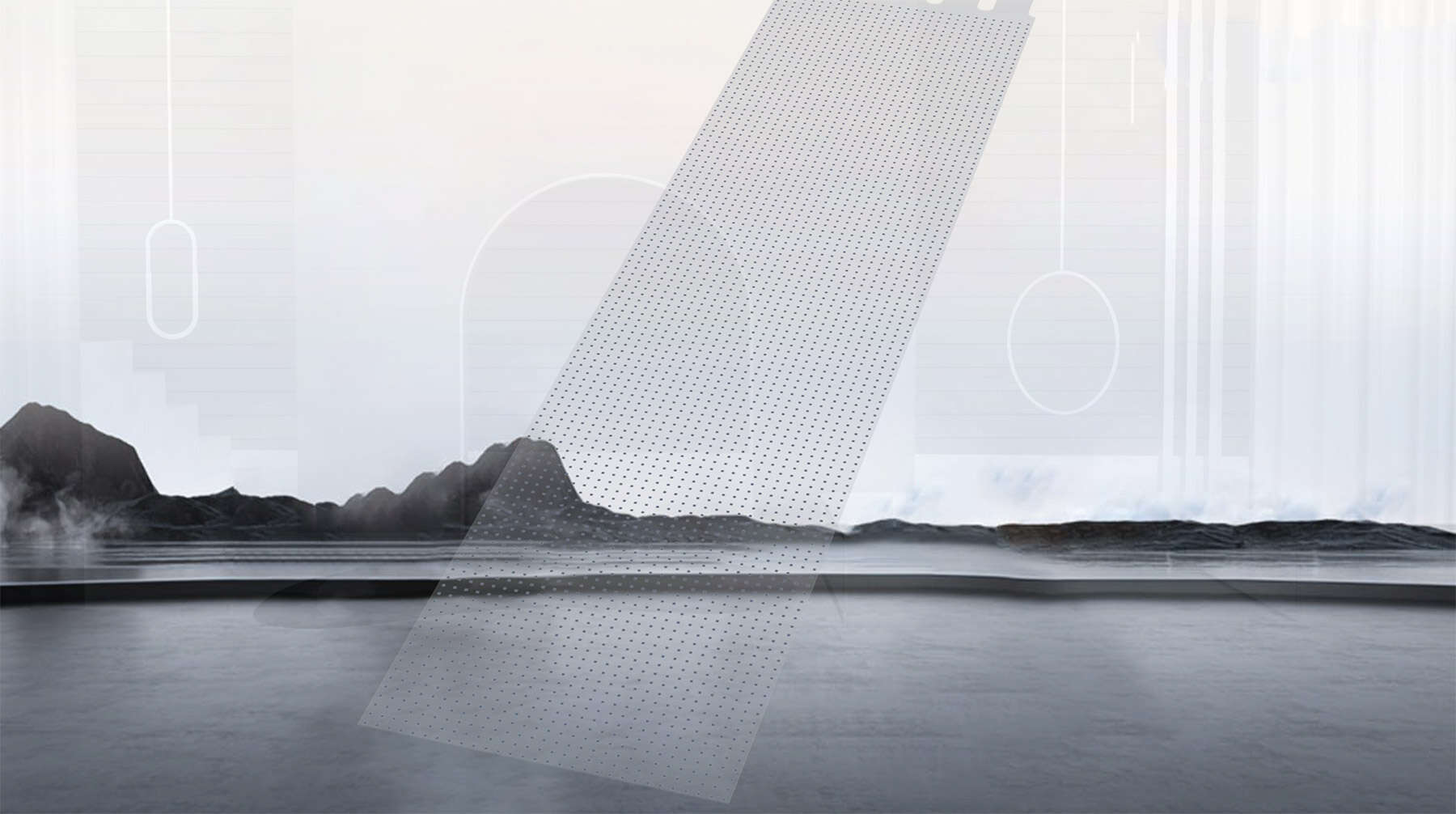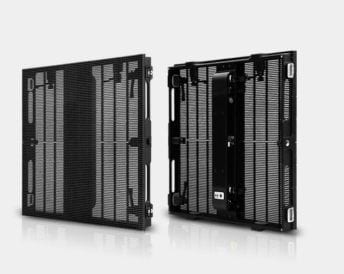
Transparent LED Film

£4,500.00

SKU DYN-IND-HW-9 Category
Window Transparent led PRO

WindowPRO

Let your glass be full of colour and vitality

Introducing our Transparent LED Film: A New Level of Visual Experience

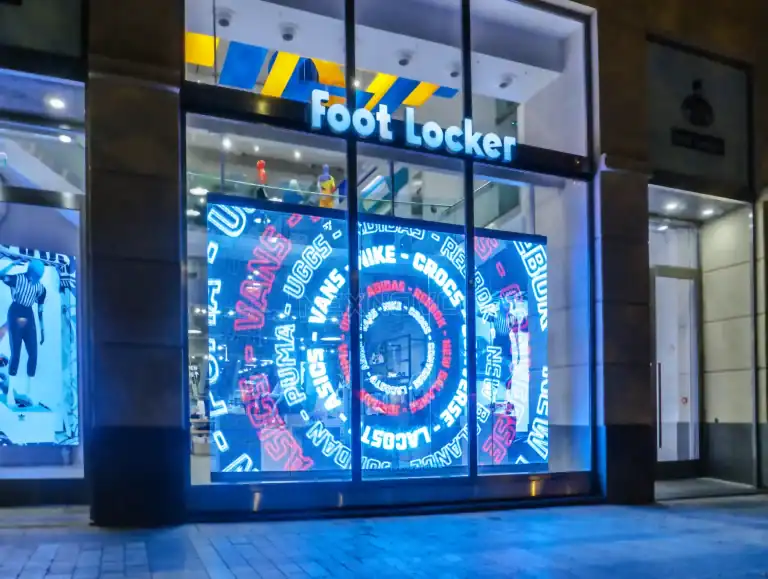
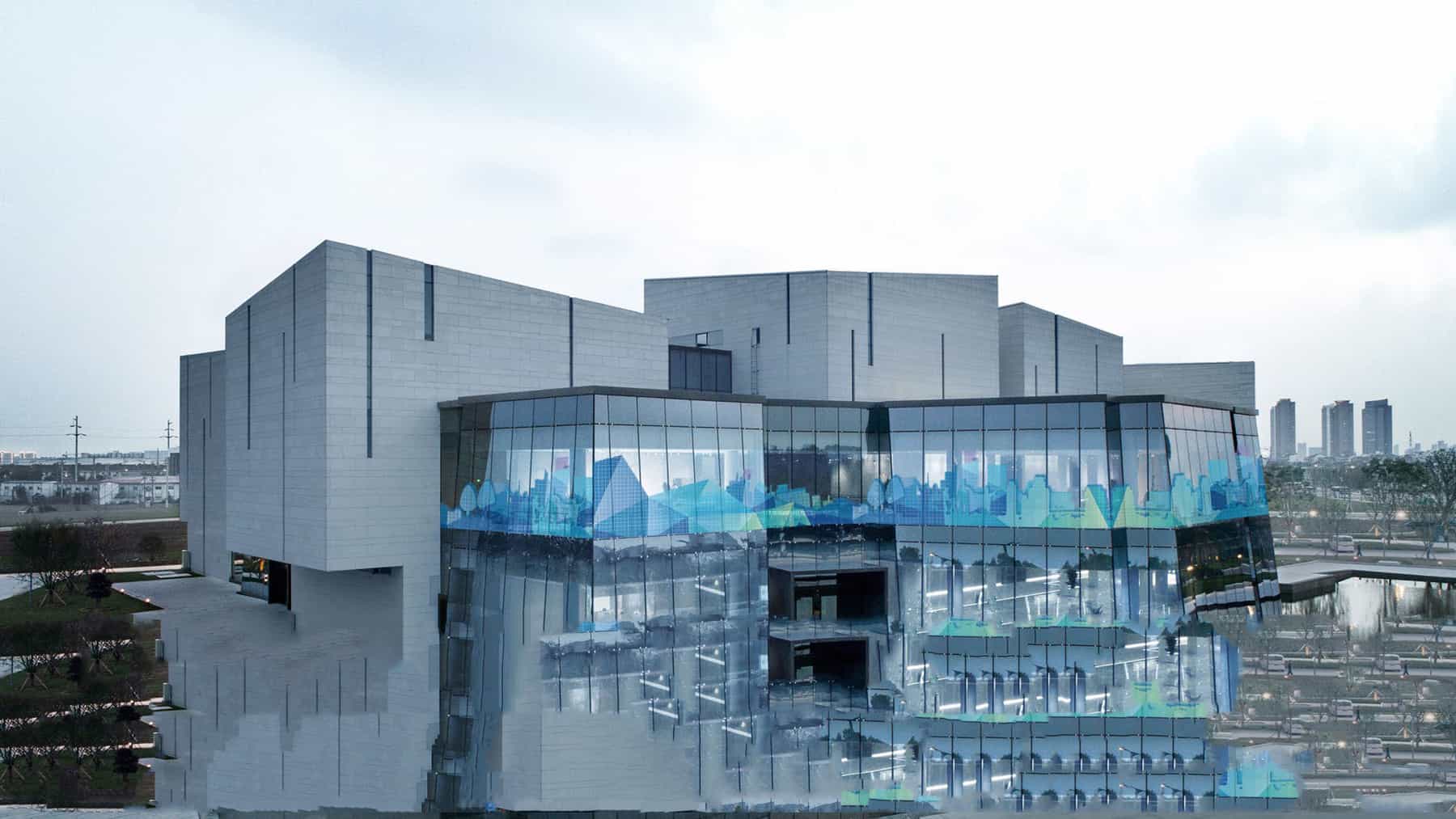
Transparent LED Film Installed By Dynamo LED Displays

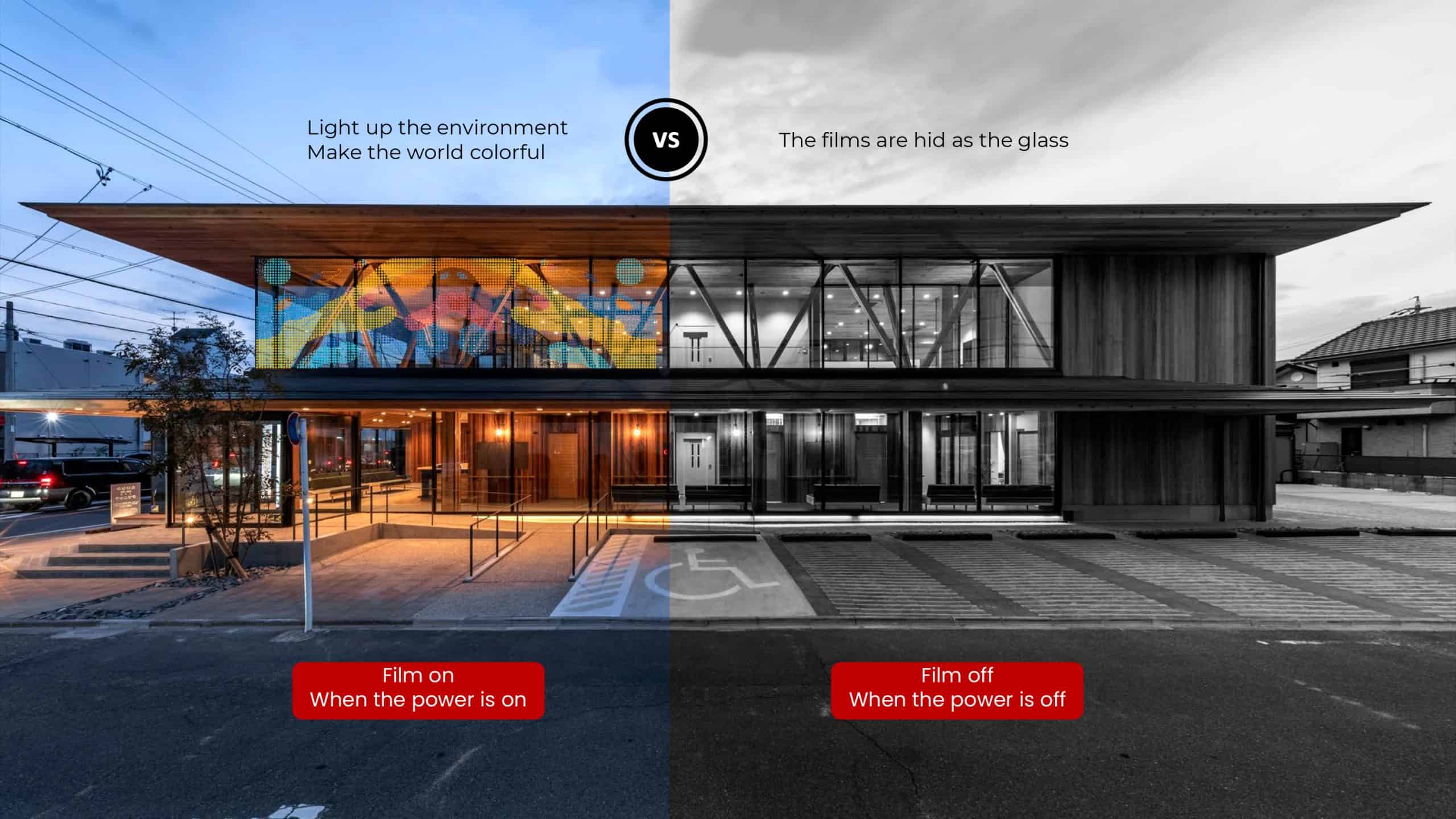
Our Transparent LED Film is expertly designed to deliver high brightness, clarity, and durability, perfect for creating stunning visual displays. It adheres directly to glass, making it an exceptional solution for both indoor and outdoor applications. Experience the difference of our high-quality Transparent LED screens. Elevate your visual displays and make a lasting impression today.

Exceptional Brightness and Clarity Transparent LED film

Our Transparent LED Film is not just any film; it’s a high-end product offering superior brightness and clarity. Its transparency allows for vibrant, eye-catching LED displays that are sure to impress, whether used indoors or outdoors. Moreover, our LED film, unlike many in the industry is built to last, ensuring your displays maintain their stunning visuals for years.

Hassle-Free Transparent LED film Installation

Simplicity is key, and our Transparent LED exemplifies that. Designed for easy installation, you can effortlessly attach this film to any glass surface. Whether you’re creating an intricate storefront display or an engaging outdoor exhibit, our LED film makes it possible. And with its durability, you can trust that your displays will continue to captivate and impress for years to come.

Businesses are always looking for new ways to attract customers and increase brand awareness. Transparent LED film is a game changer in the advertising industry. With its eye-catching, sleek look, it’s hard not to take notice. Not only does it add a modern touch to any business, but it also has multiple benefits. The film displays visuals in a way that is both engaging and informative, making it perfect for marketing campaigns. It also allows businesses to display their products in an innovative way, giving customers a unique perspective on their merchandise. The transparency of the film allows for natural light to pass through, creating a seamless appearance. Ultimately, using transparent LED screens can give businesses a competitive edge, making them stand out from the crowd and capturing the attention of potential customers.

Low Energy Consumption

The cost savings associated with using transparent LED film are significant, especially for companies looking to align their environmental, social, and governance (ESG) commitments with their business operations. The low energy consumption of this innovative technology allows businesses to reduce their carbon footprint, while also benefiting from reduced energy bills. Not only is transparent LED more energy-efficient than traditional lighting solutions, but it also offers a unique and eye-catching way to enhance brand visibility and create a more engaging customer experience. Whether you’re looking to save on energy costs, reduce your environmental impact, or create a more memorable in-store experience, transparent LED screens are a worthwhile investment.

Choosing the right Transparent LED Film

Selecting the right transparent LED film is essential if you want to achieve the desired visual experience. Whether you need it for indoor or outdoor use, there are a few factors to consider. Firstly, the distance from which the LED film will be viewed is crucial. The pixel pitch will vary depending on this distance. A smaller pixel pitch is ideal for a closer viewing experience, whereas a larger pitch is suitable for the opposite. Taking the time to consider these factors will ensure that you select the right transparent display for your specific needs, and achieve the eye-catching results you desire.

WindowPRO
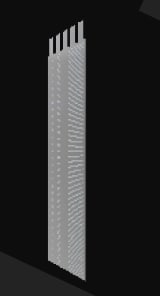
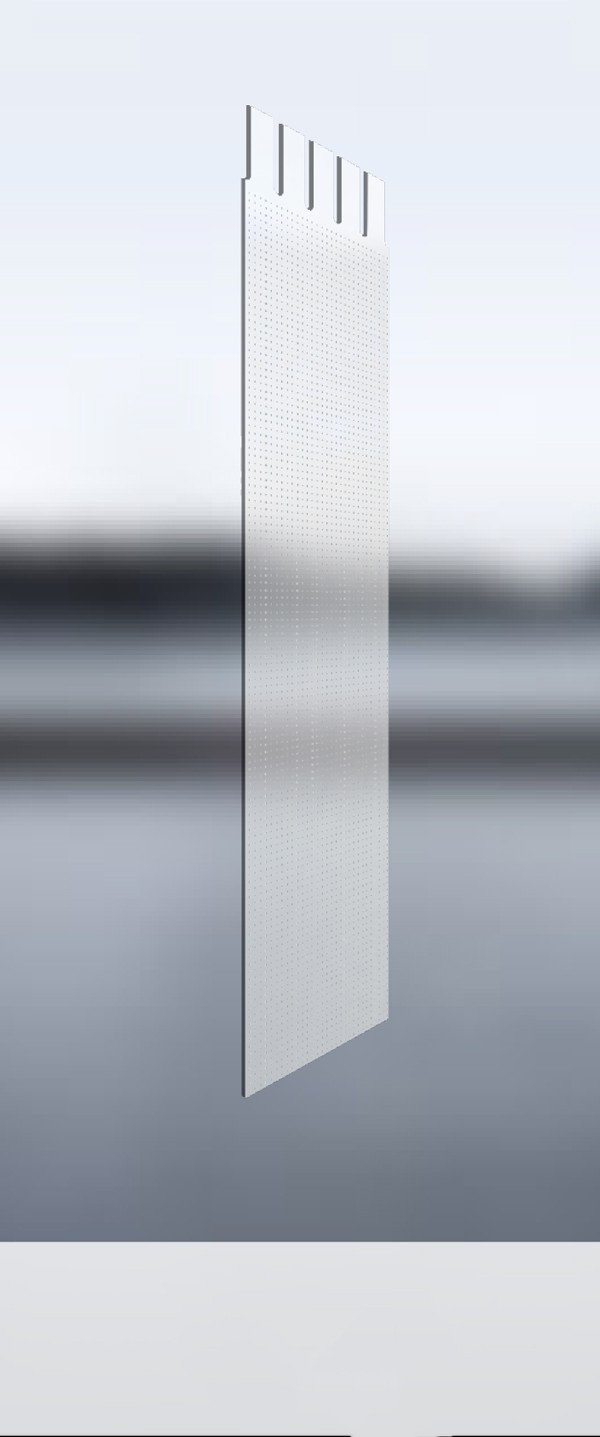
Transparent led film strip
PITCH P2.5 P3.9 P6 P8 P10 P16 P20 P30
SERIES NO.
2.5 Mesh
3.9 Mesh
DVI600i
DVI800i
DVI1000i
DVI1600i
DVI2000i
DVI3000i
TRUE BLACK SMD
1800-4500cd/m2
2000-5500cd/m2
DISTANCE
> 2.5m
> 3.9m
> 6m
> 8m
> 10m
> 16m
> 20m
> 30m
LED KIND
iMesh
iLED
PIXEL DENSITY (dots/m2)
160000
65536
27777
15625
10000
3906
2500
1111
TECHNOLOGY
SMD
REFRESH RATE
1920Hz–3840Hz
VIEWING ANGLE
140° (H) / 140° (V)
MODULE SIZE
1500 (max height) mm
1200 (max height) mm
MODULE RES (px)
600 X 50
384 X 64
160 x 40
120 x 30
96 x 24
60 x 15
48 x 12
36 x 8
DRIVE MODE
Static
ENVIRONMENT
IP30
MAX POWER
850W/m2
VOLTAGE
AC 100-240V
WEIGHT
0.85kg/Panel
CERTIFICATION
CE, EMC, TUV-EMC, FCC, ETL, UL, PSE, CCC, ROHS
Easy Maintenance Transparent LED film

Maintaining transparent LED displays have never been easier thanks to its modular design and easy-to-clean surface. With a simple wipe down, this innovative technology can be kept looking like new with minimal effort, even after extended use. Whether used for advertising, information displays or ambient lighting, businesses can enjoy uninterrupted visuals without the hassle of frequent maintenance. The modular design of transparent displays means that any necessary repairs or replacements can also be easily carried out without significant disruption to operations. So why not embrace this cutting-edge technology that combines visually stunning displays with effortless maintenance?

Transparent LED film - The Latest Technology

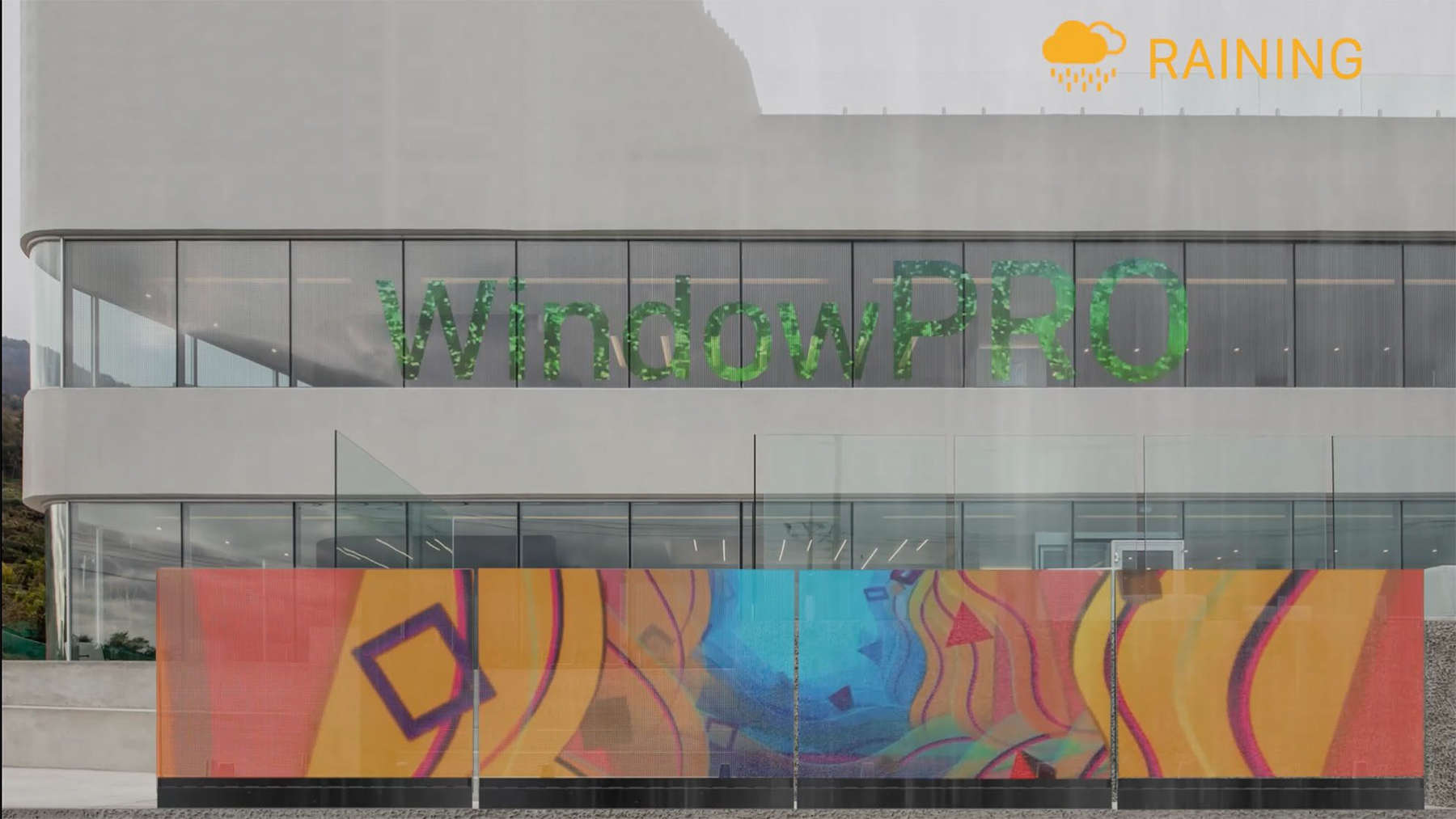
Understanding the importance of staying on top of the latest technological advancements is an extremely important factor in the LED industry. One such innovation that could help take your business to the next level is transparent LED film. Transparent LED screens have seen an upsurge in popularity due to their energy efficiency, flexibility and cost-effectiveness – all qualities which make them a great asset for both small businesses and larger enterprises alike! Transparent LED displays are a state-of-the-art technology that has revolutionised the way we think about displays. It can be used both indoors and outdoors, allowing for creative applications in a range of settings. One of the biggest advantages of this technology is that it is waterproof, making it an excellent choice for advertising in outdoor spaces. Additionally, installation is a breeze, as the film can easily be cut to any shape or size needed. These characteristics make transparent LED displays a versatile solution for anyone looking to add a modern and dynamic feel to their advertising or design.
SAFE & FULL IMAGE

SAFE & FULL IMAGE

The control system is independent and is integrated in a
controller box that can be placed in the bottom or the top of the film.
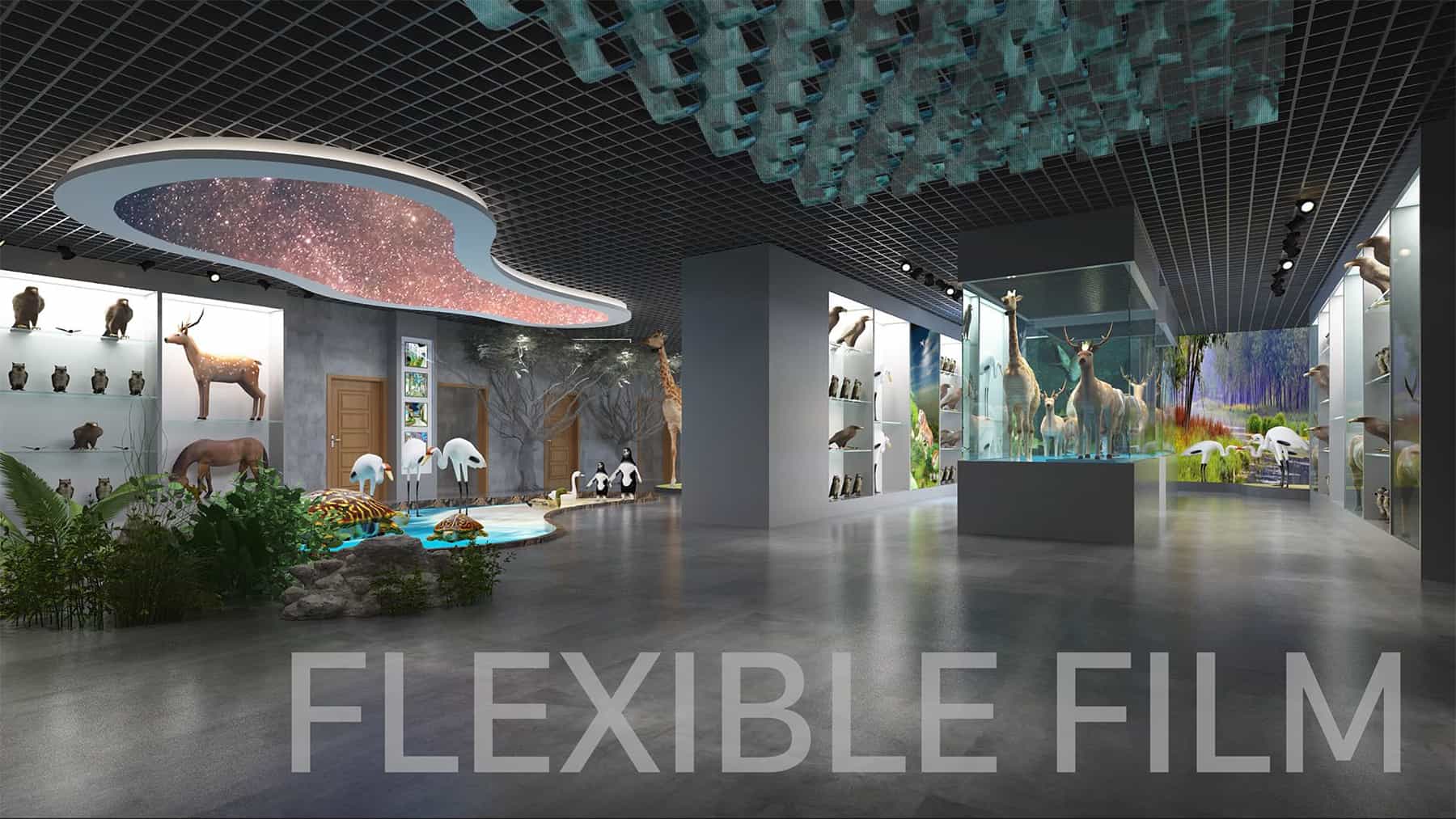
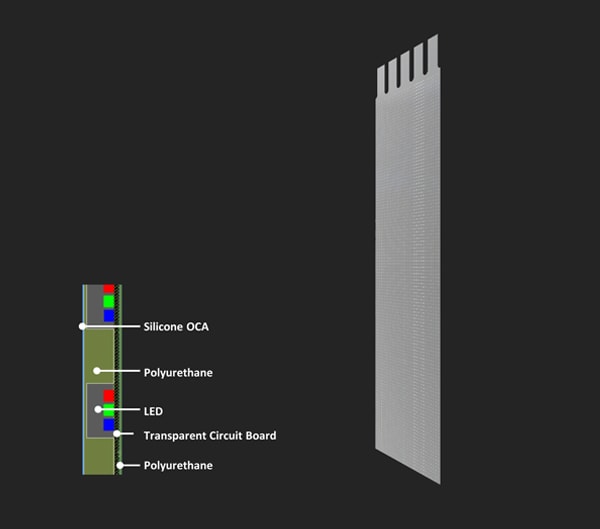
Transparent LED Flim
LED film module

STTP10 : TRANSPARENT TREATMENT PRODUCTION 10

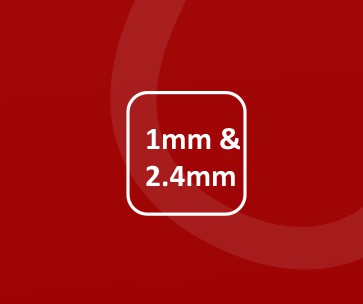
Ultra-thin 1 mm , 1.95 kg/m²
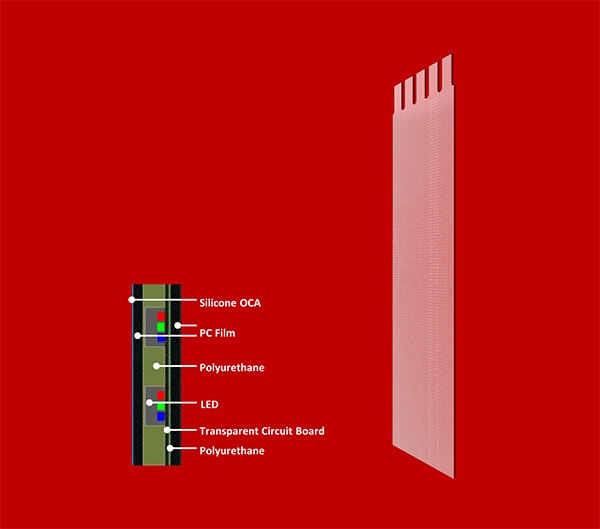
TRANSPARENT-TREATMENT-PRODUCTION-5

TTP5 : TRANSPARENT TREATMENT PRODUCTION 5

Ultra-thin 2.4 mm , 3.4 kg/m²

Scales led
Ultra Light Weight: TTP10 – 1.95kg /m² TTP5 – 3.4kg /m²
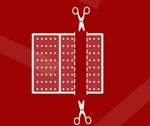
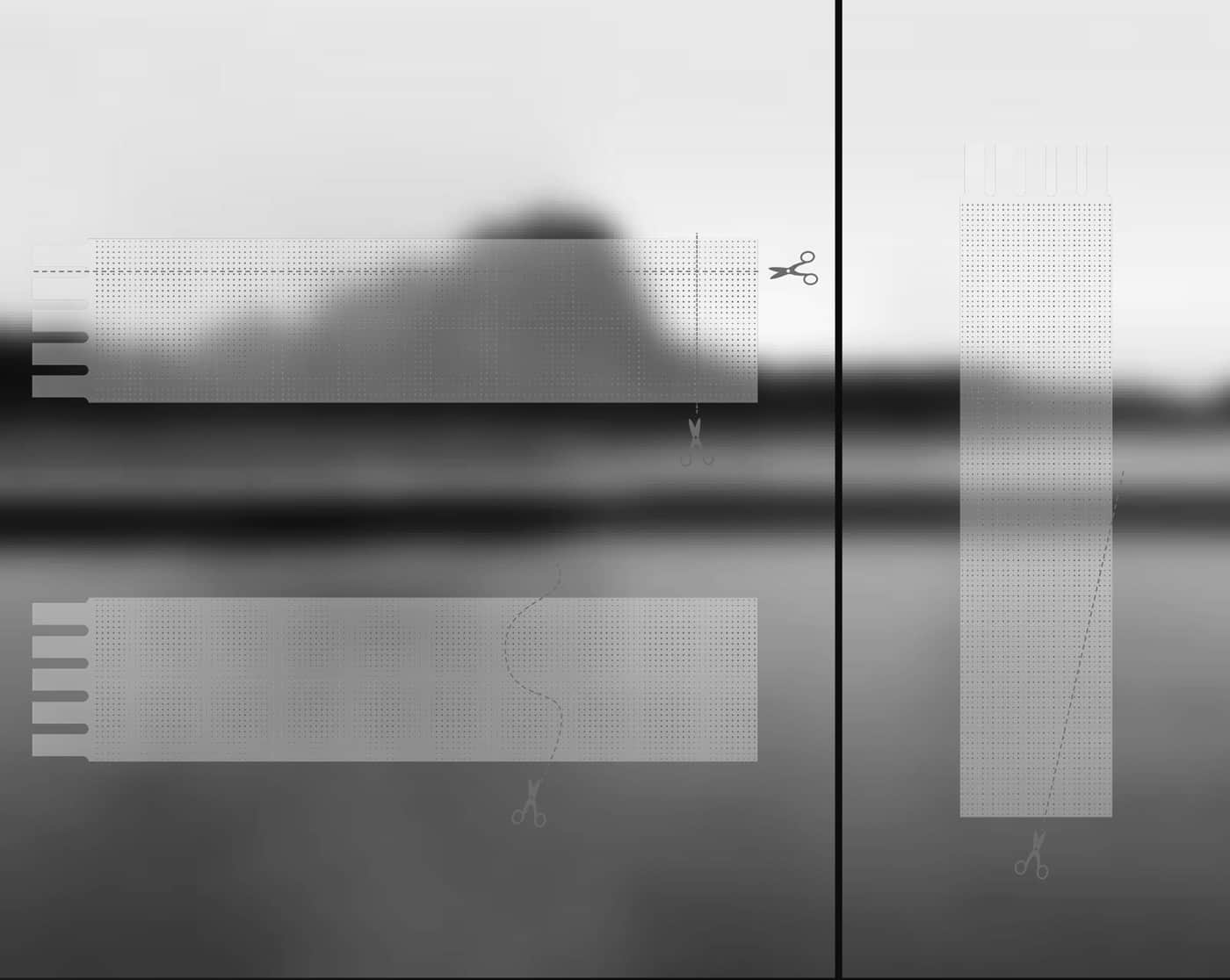
Cutting-at-Will

Cutting at Will

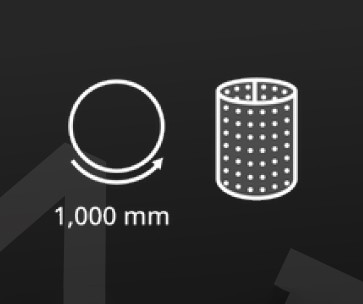
1000-mm

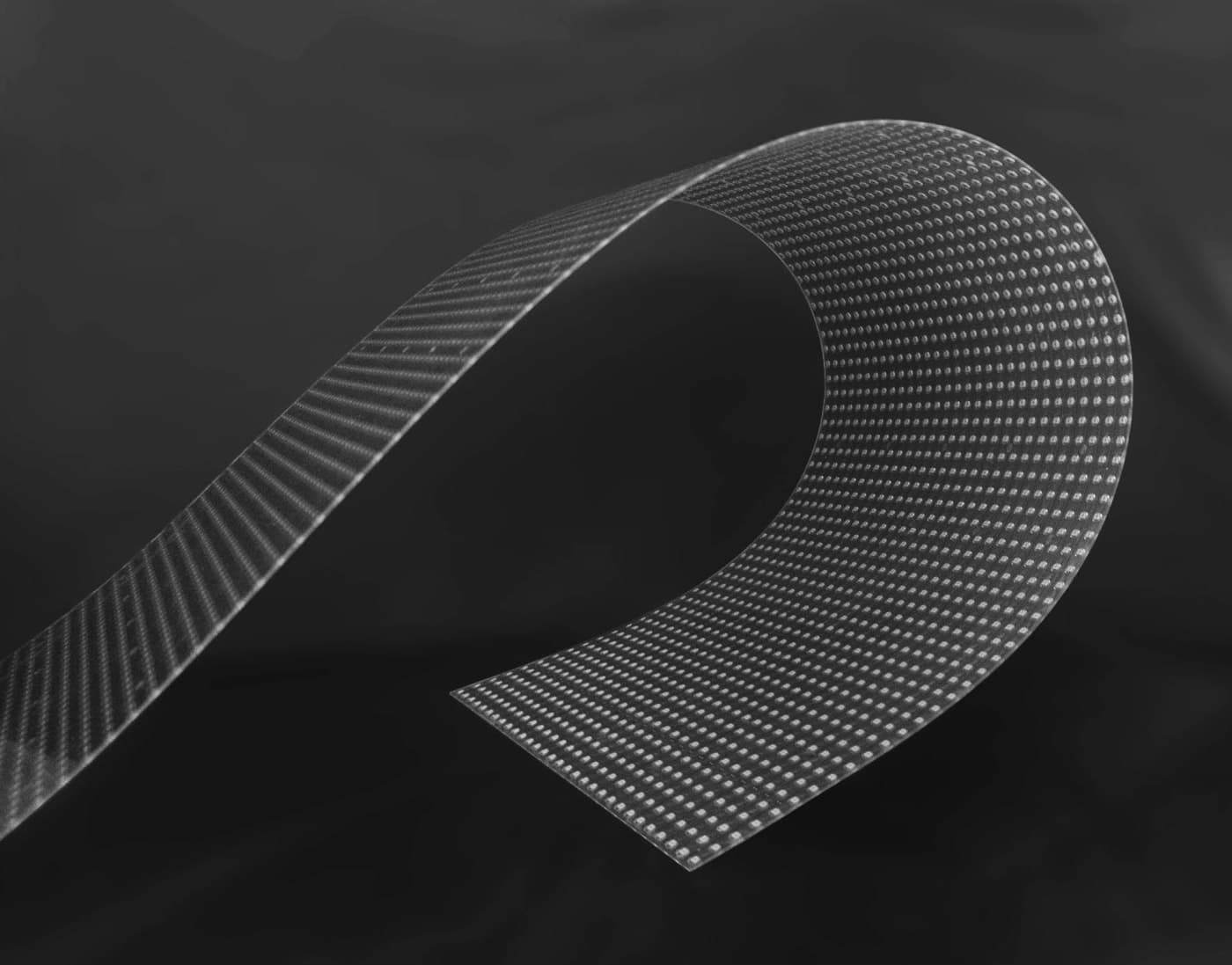
Spread out &
Rolling

Transparent led film strip

Borderless
design

1-2.4mm

Ultra-thin

Good-protection

Good protection

High-Transparency

High Transparency

Film-&-Controller-Box

Film & Controller Box
Easy pack & ship &
installation
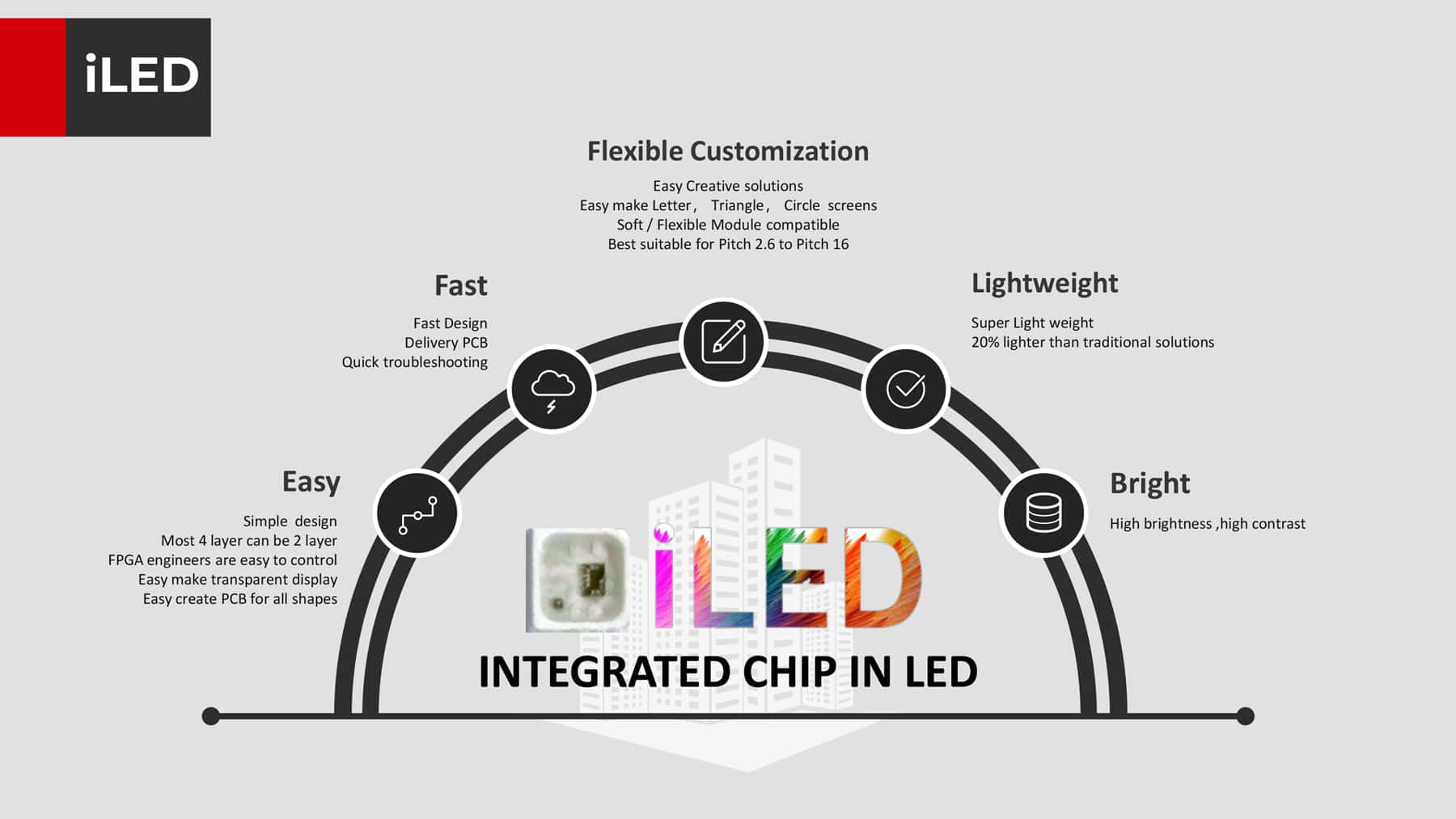
Flexible-Customization
CONTROL BOX
control Transparent LED

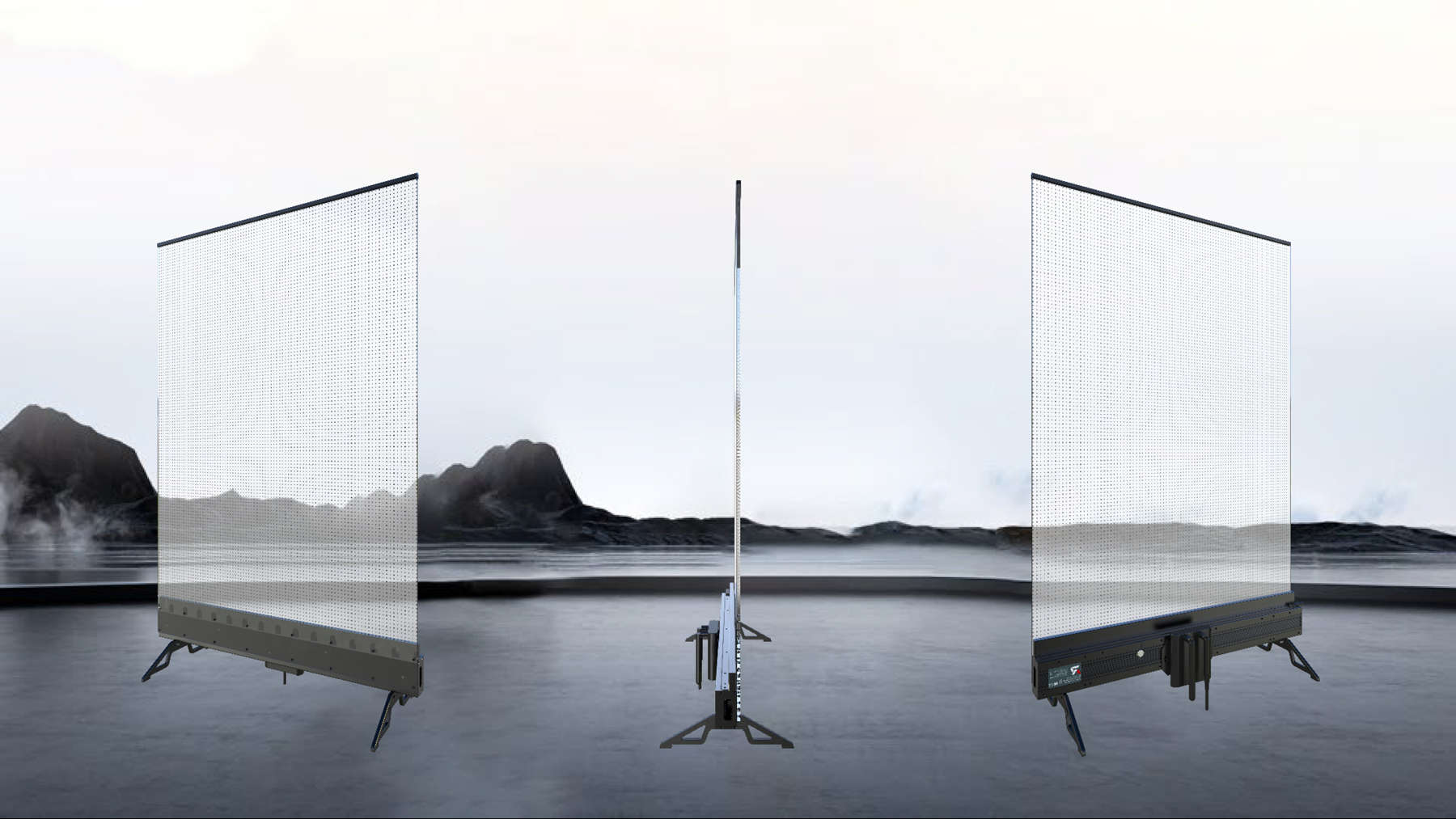
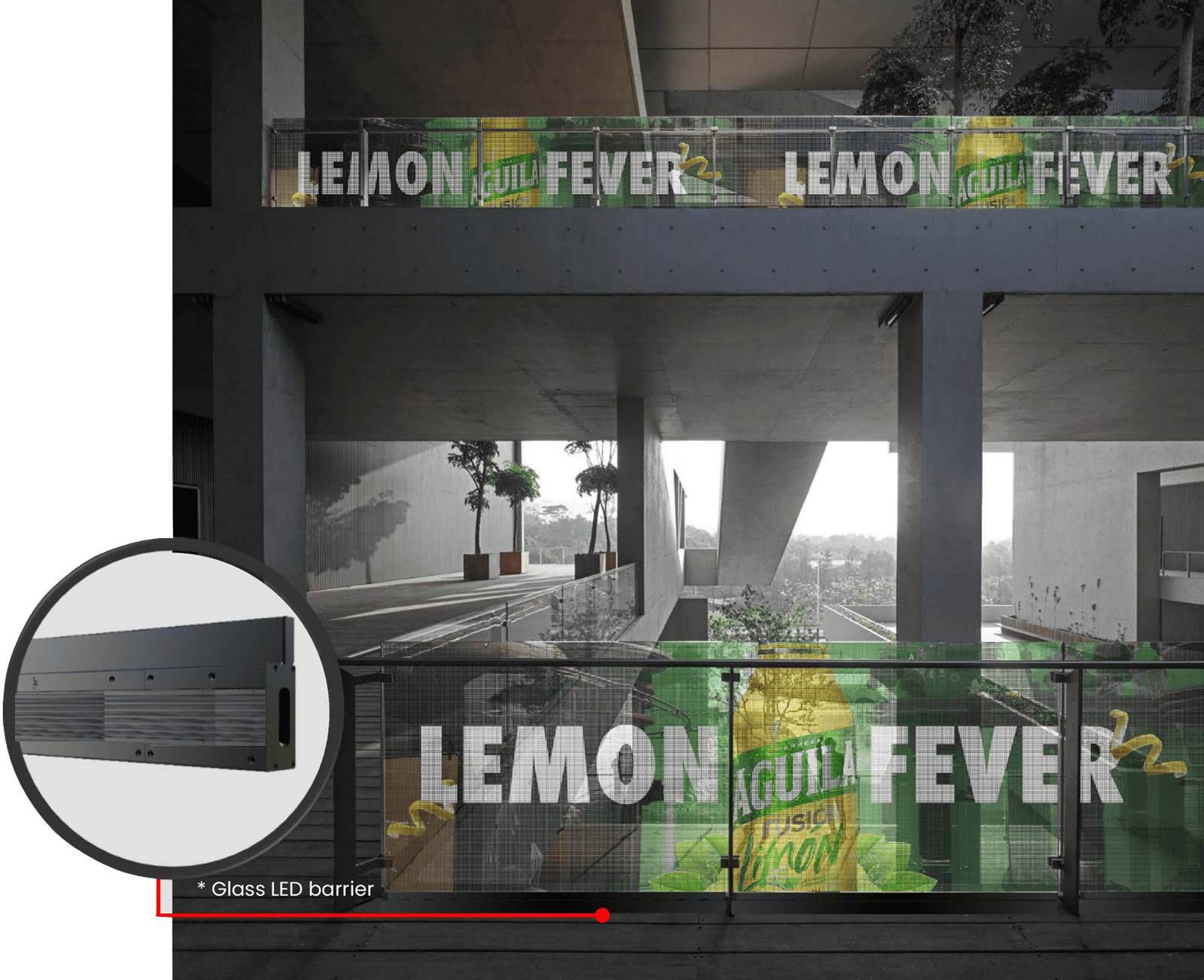
It is an ultra-transparent LED display product developed for shopping malls, hotels, real estate, subway tracks, attraction fences, science and technology exhibition halls, stadiums, gallery bridges and other fields. It fully taps the value of commercial public space and allows audiences to encounter advertising ideas inadvertently
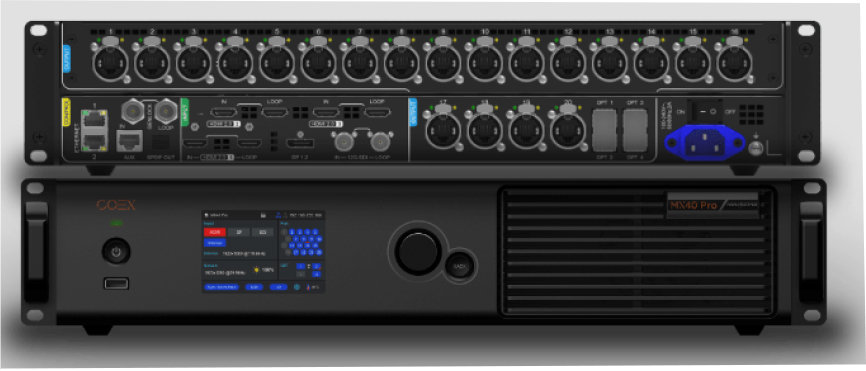
CONTROL-BOX-02 for Transparent LED Film
* Our control system can use Novastar, Brompton or Colorlight etc.
Control box png
Simple-&-fast-installation Transparent Film

Simple & fast installation

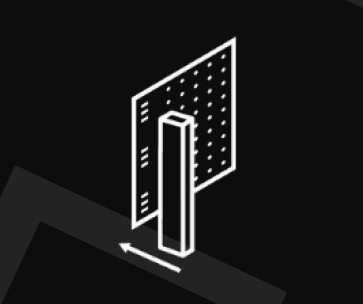
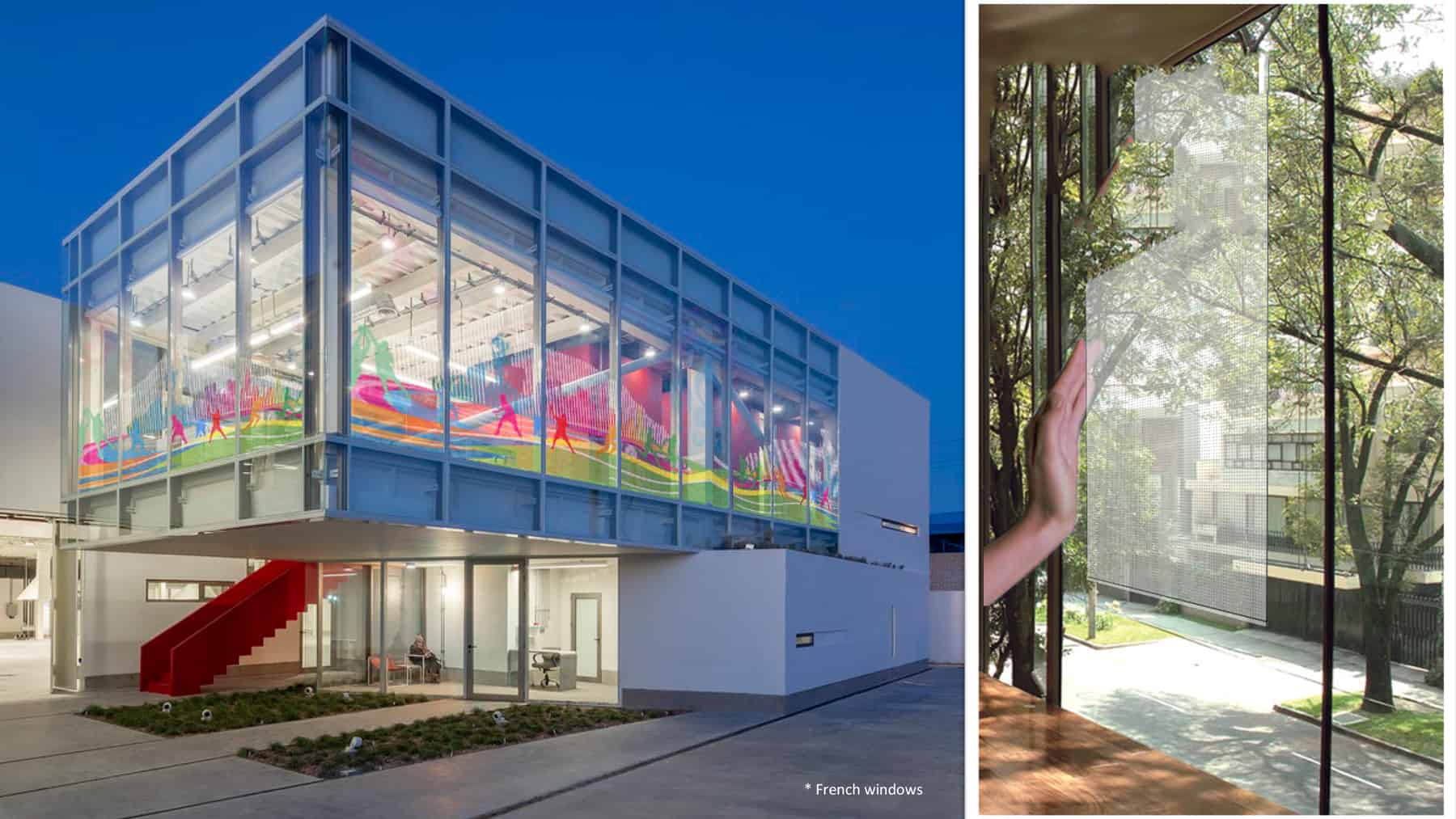
Easy to install, stick on the glass directly.No need for steel structure; no damage to the building and the original curtain wall
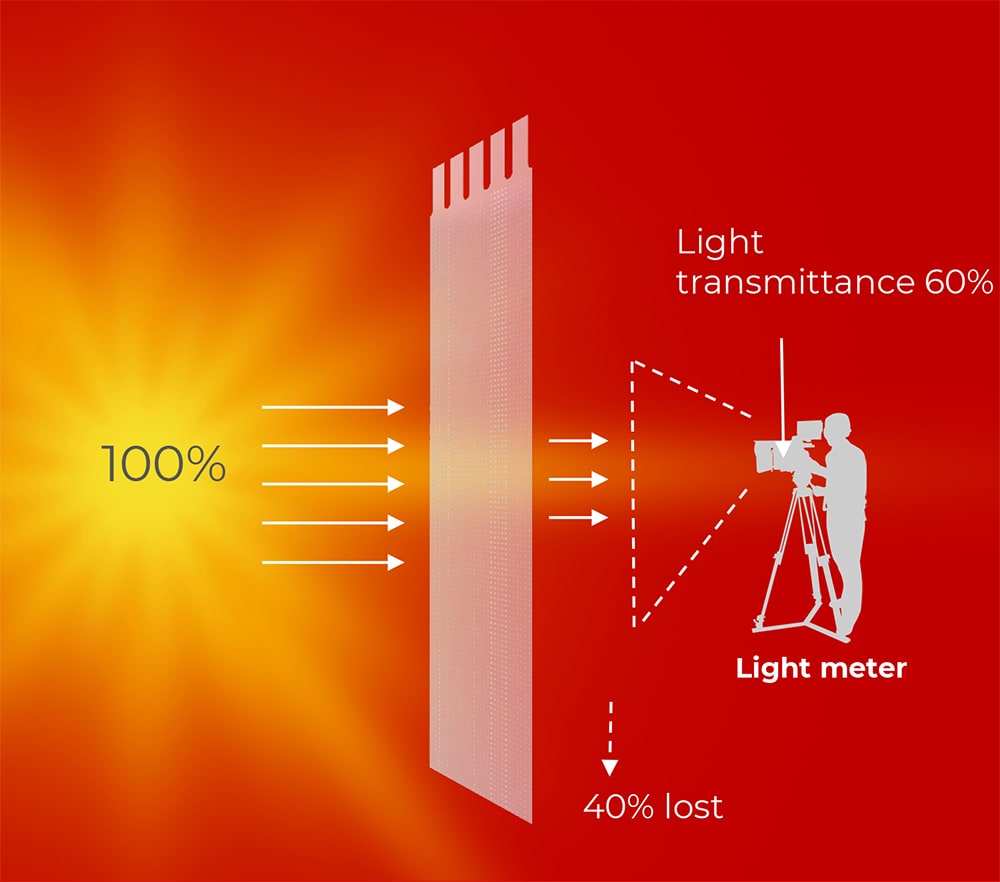
Light-transmittance Transparent Film

Light transmittance 60%

Permeability 80%
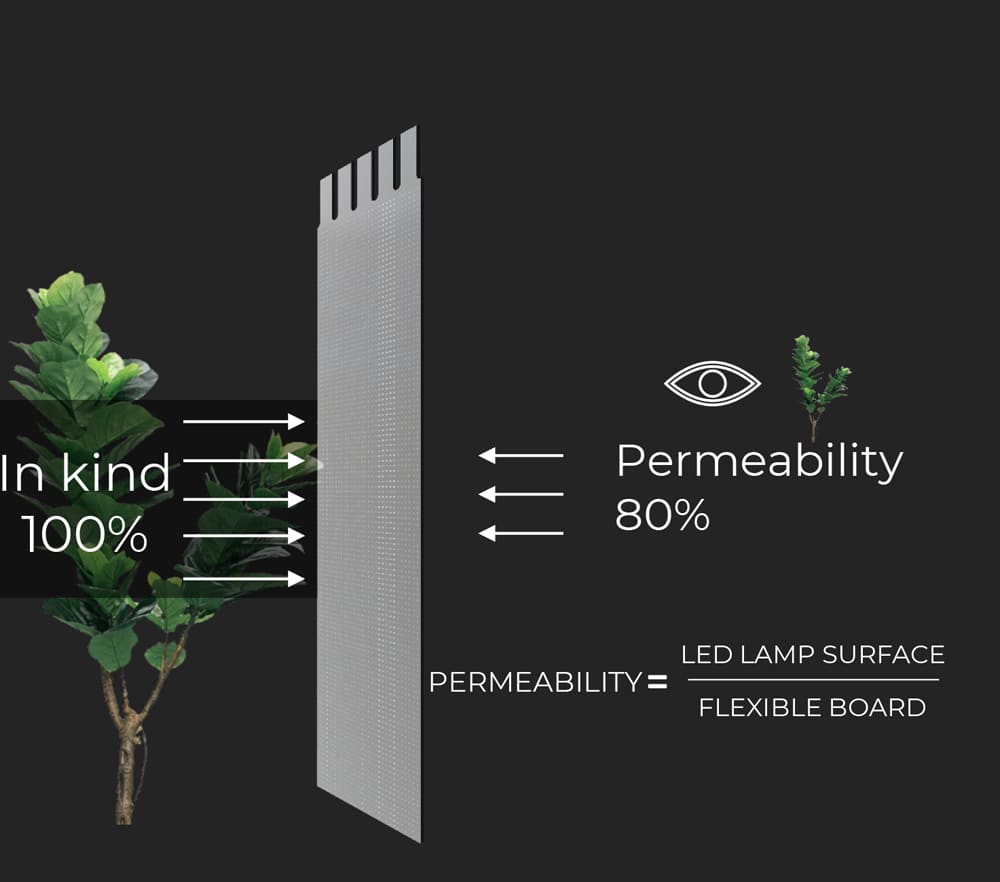
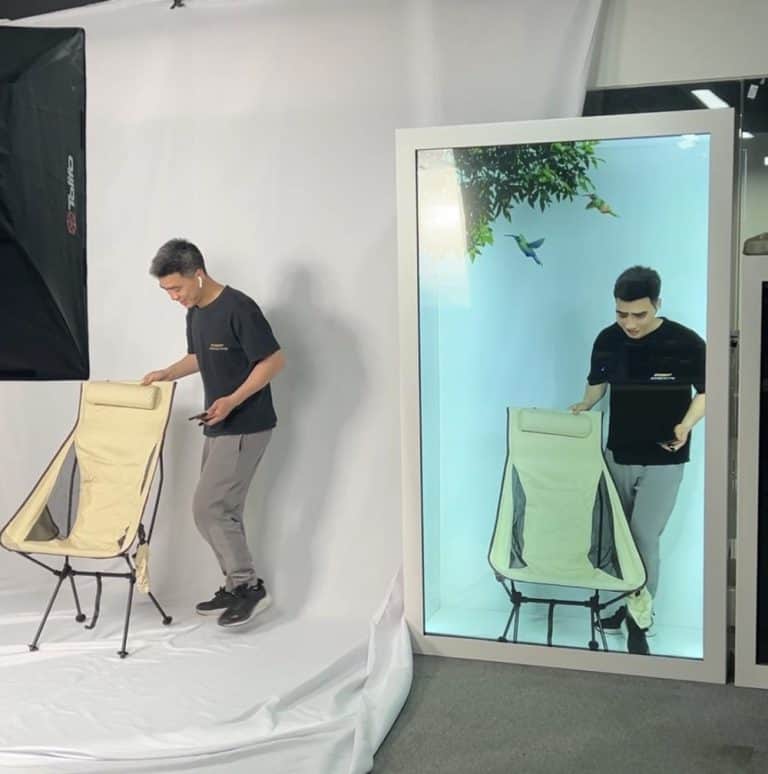
Transparent LED Film transparency rate

HIGH TRANSPARENCY

Transparent LED Film installation

INDOOR WindowPRO
P6 P8 P10 P16 P20 P30

WindowPRO
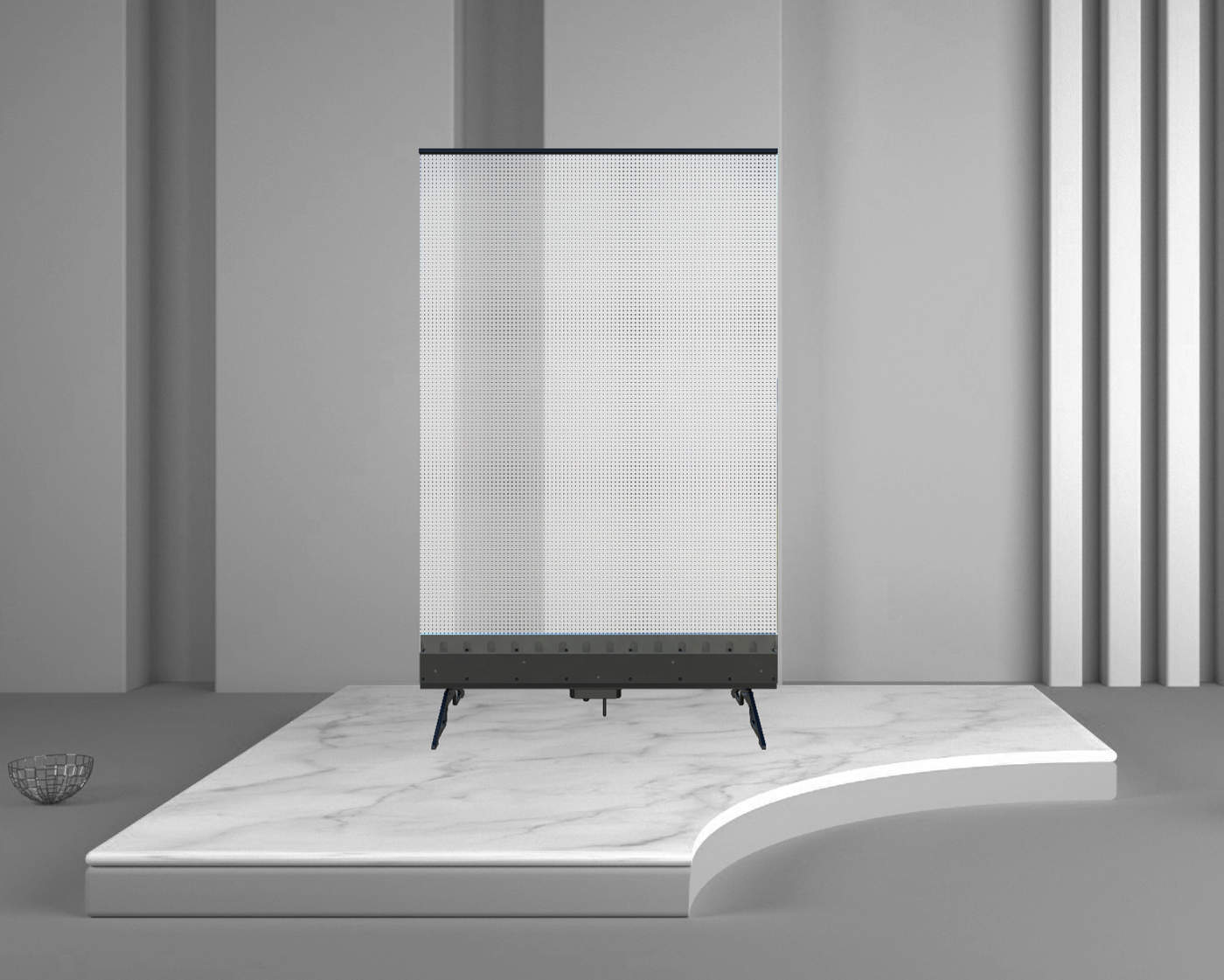
WindowPRO-indoor

LIGHT, THIN, TRANSPARENT

LIGHT Transparent LED
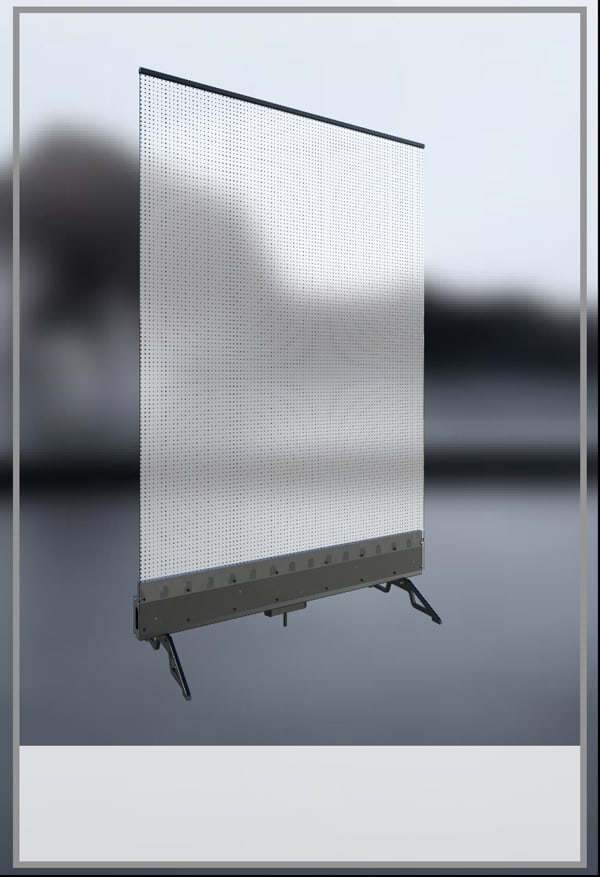
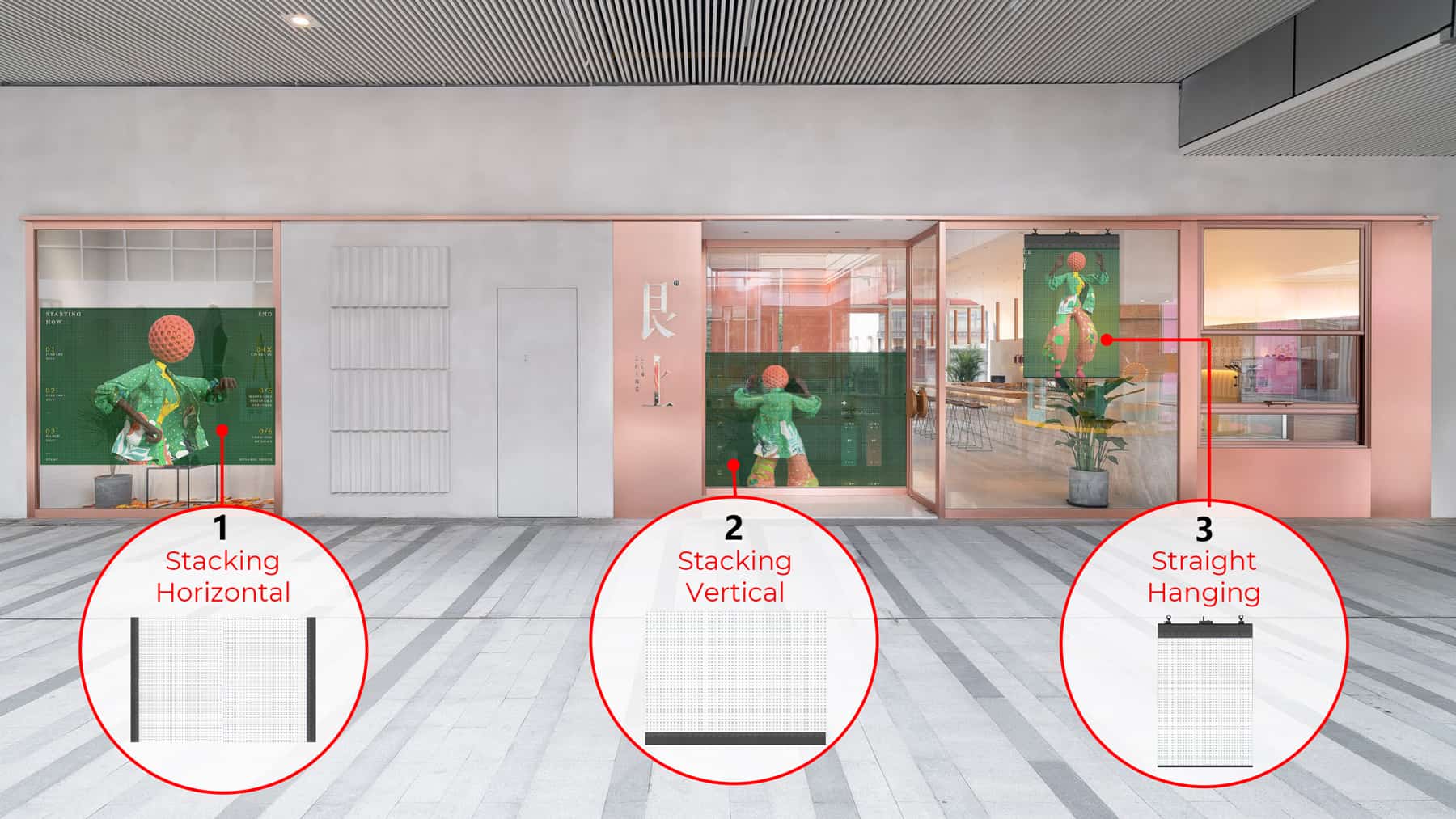
STACKING Transparent LED
STACKING
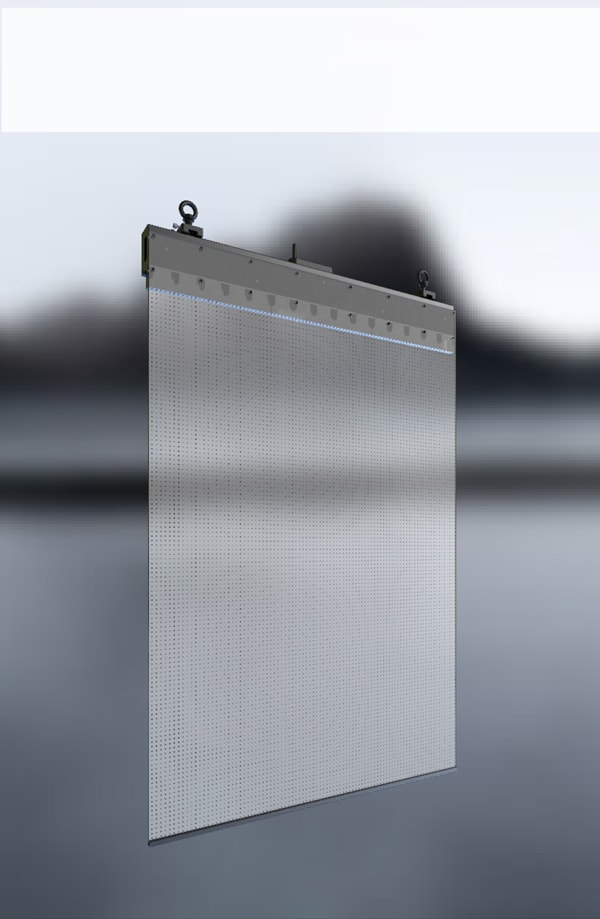
Transparent LED STRAIGHT-HANGING
STRAIGHT HANGING
STICK-ON-THE Transparent Film
STRAIGHT HANGING
Horizontal-Vertical-Hanging LED Film
TTP10 - 1.95kg / m2
TTP5 - 3.4kg / m

LIGHT
WEIGHT

Max height 1500mm
Regular height 960mm

Indoor Use

Indoor Use Transparent LED Film

Transparent LED film Cut To Size

The product supports point-by-point cutting and can be applied to curtain walls of various shapes and sizes
cutting Transparent LED Film
Transparent LED Film

TRANSPARENT FLEXIBLE FILM

APPLICATION
SCENE
CULTURAL TOURISM LANDSCAPE
TOURIST
RESORT
COMMERCIAL
ESTATE
TOURIST
RESORT
COMMERCIAL
ESTATE

HIGH BRIGHT TRANSPARENT LED FILM

It is around 4000nits which makes the environment very bright with eye-catching picture quality.
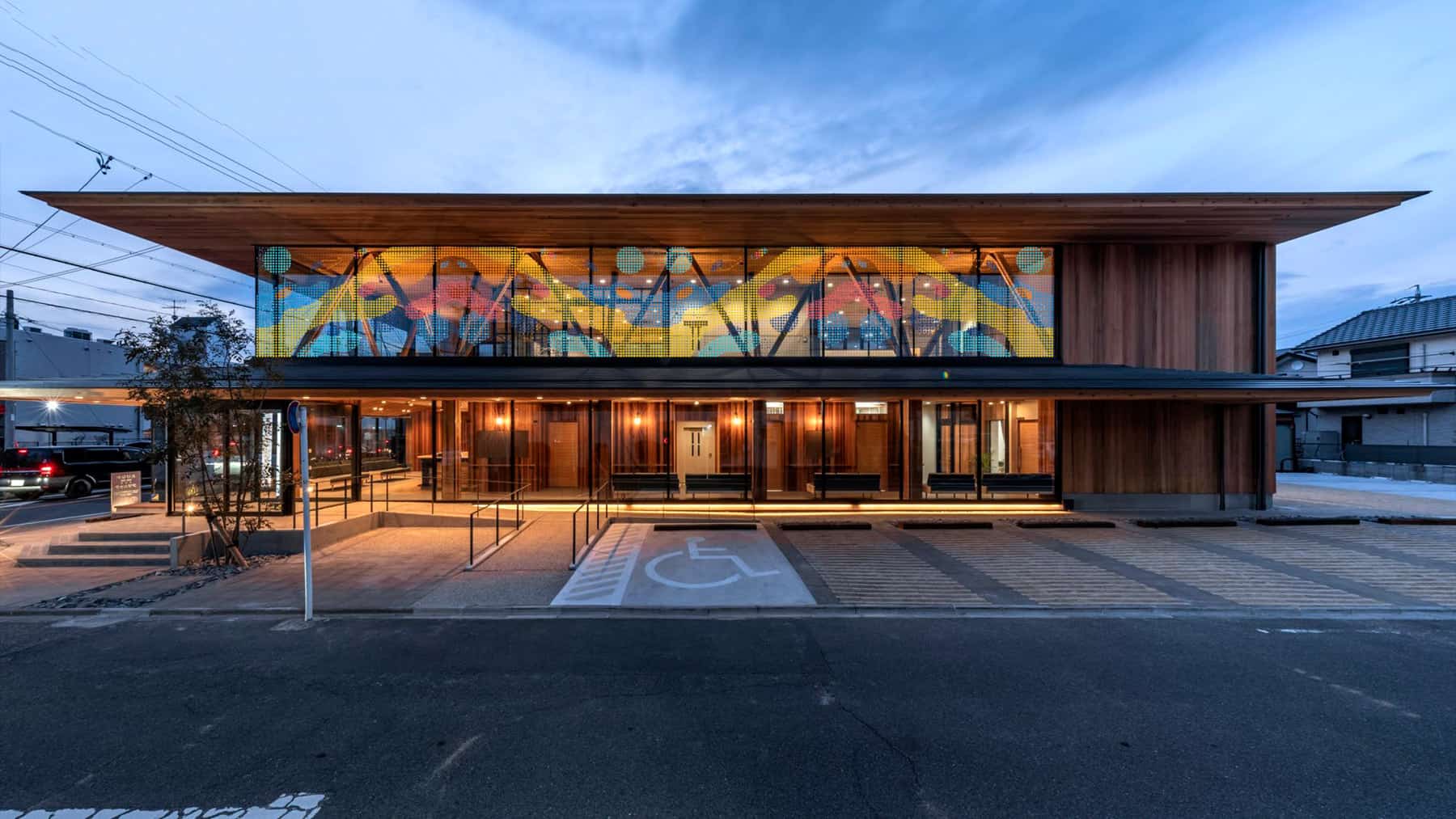
HIGH-BRIGHT Transparent LED Film

FIX DIRECTLY TO GLASS, EVEN AROUND CORNERS
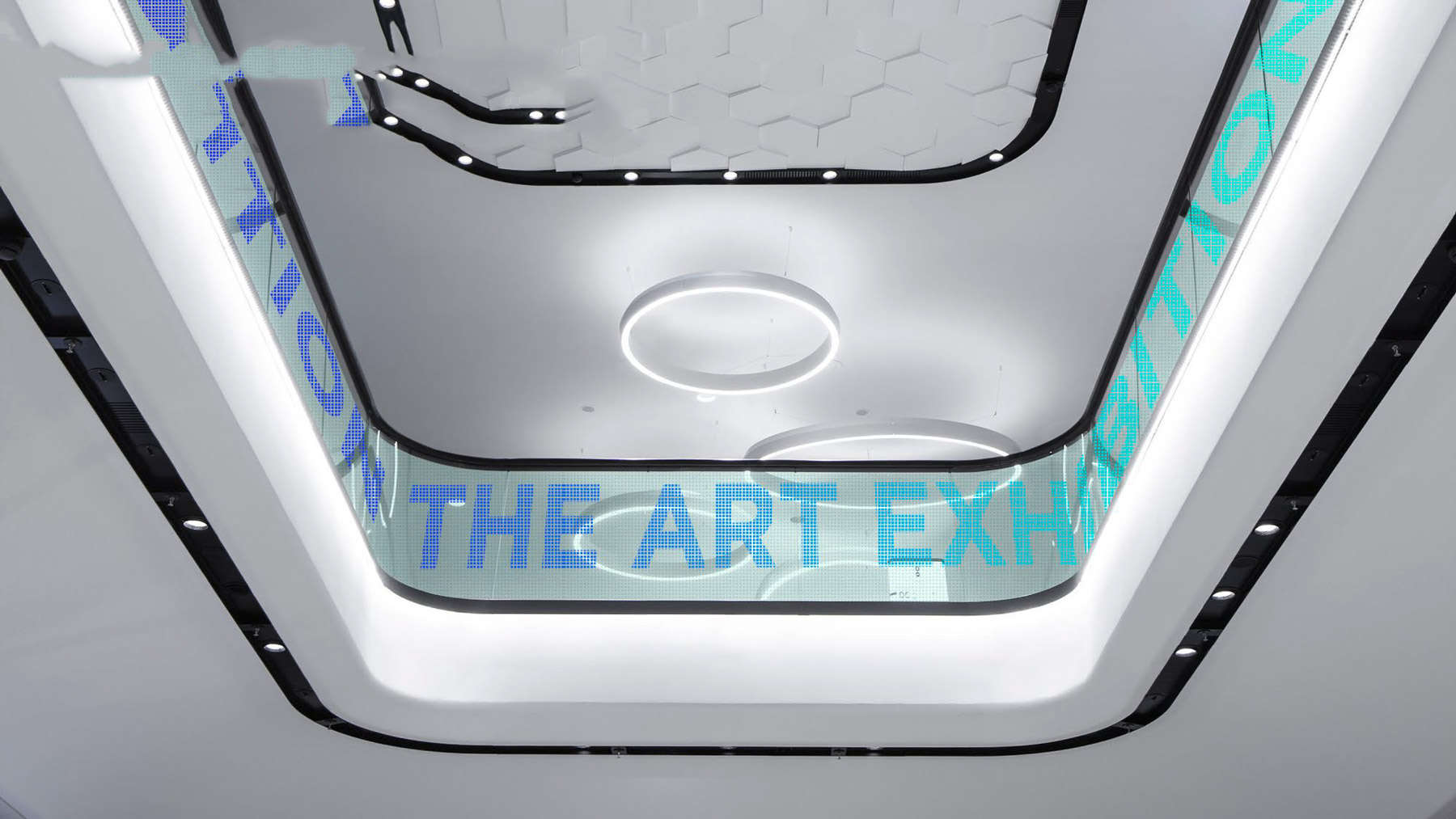
Transparent LED Film GLASS fixing

FIX DIRECTLY TO GLASS, EVEN AROUND CORNERS
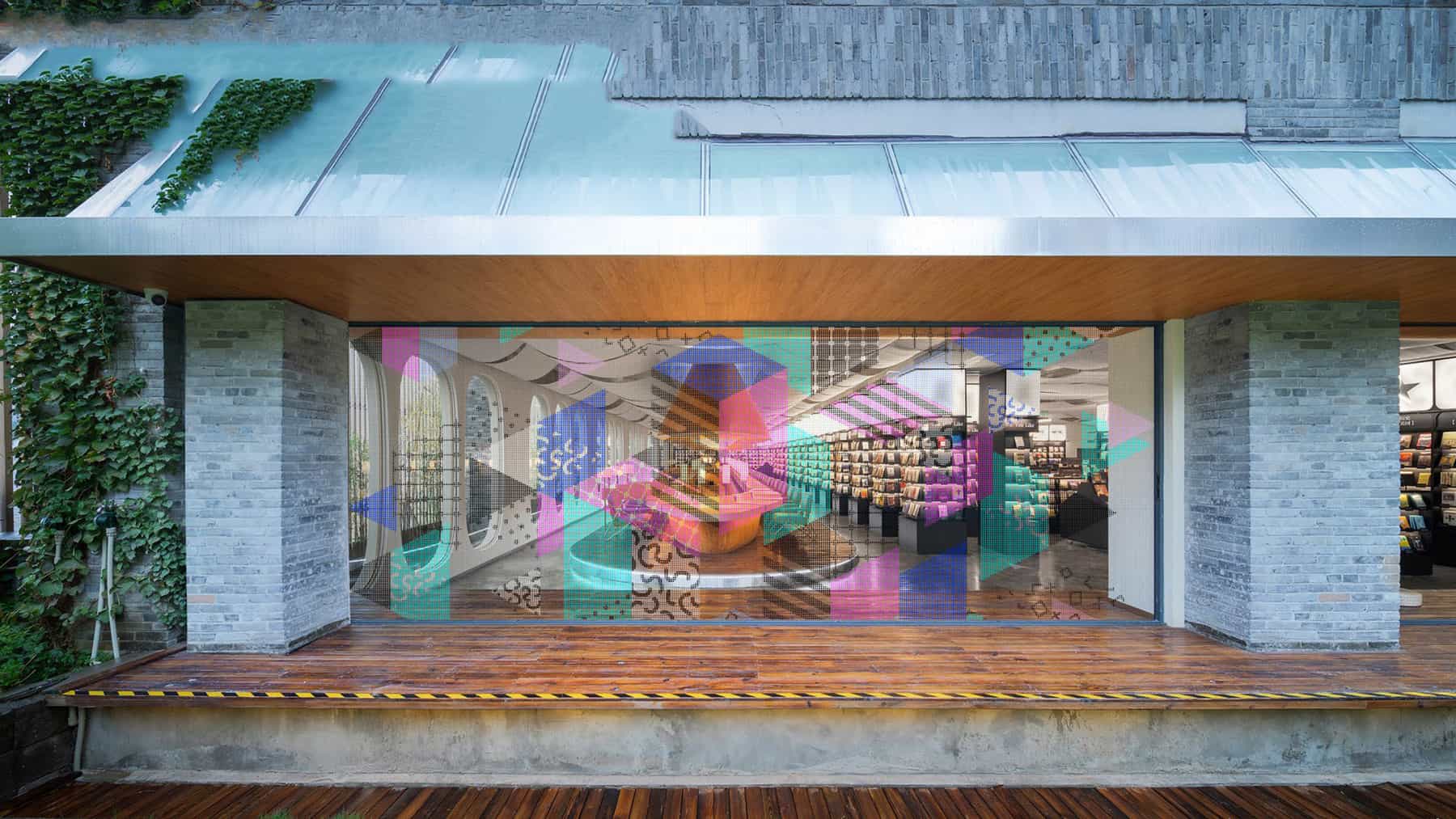
DECORATE THE GLASS WINDOW OF SHOP (TRANSPARENT LED FILM)

DISPLAY YOUR LOGO

Transparent LED Film outdoor
DRA Series

Indoor LED display, Outdoor LED display

Pitch

DRA P1.55, DRA PI.93

Brand

Dynamo LED Displays

Dynamo LED Displays

Related products

Technical Specification Guidance

Transparent LED film should be specified around viewing distance, daylight exposure, glass construction, control location and the type of content the display will carry. Pixel pitch is usually the first visible choice, but it should not be treated in isolation. A fine pitch used behind a bright, south-facing retail window may still underperform if the brightness, contrast handling and content design are not suitable for the site. Equally, a very tight pitch may add cost without improving the viewer experience if the audience is mainly seeing the display from the opposite side of a street or across an airport concourse.

Specification item Typical range or option Specifier notes
Available pixel pitches (Dynamo WindowPRO range) P2.5, P3.9, P6, P8, P10, P16, P20, P30 P2.5 and P3.9 suit close retail viewing, showrooms and reception glazing. P6, P8 and P10 are common for larger shopfronts, exhibitions and atria. P16, P20 and P30 are used for facade-scale displays viewed from longer distances such as airport concourses, building wraps and transit hubs.
Per-module resolution P2.5: 600 × 50 px; P3.9: 384 × 64 px; P6: 160 × 40 px; P8: 120 × 30 px; P10: 96 × 24 px; P16: 60 × 15 px; P20: 48 × 12 px; P30: 36 × 8 px WindowPRO is supplied in film-strip format rather than as a fixed-size rigid panel, so total display resolution is the per-module resolution multiplied by the number of strips making up the length and height of the run.
Transparency Typically 50-85%, depending on pitch Wider pitch generally allows more daylight through the glass. Finer pitch improves image resolution but reduces open area.
Brightness Typically 4,500-6,500 nits For direct, south-facing sun or very bright external conditions, a 7,500+ nit option may be required. Site orientation should be checked before final specification.
Refresh rate Greater than or equal to 3,840 Hz Suitable for camera-facing environments, broadcast-adjacent installations, social media filming and retail content captured on phones.
Viewing angle Greater than or equal to 160 degrees Important for shopfronts, concourses and reception areas where viewers approach from oblique angles.
Power consumption Approximately 250-400 W/m² typical operating Final electrical design should be based on display area, brightness setting, content duty cycle and control equipment.
Weight Approximately 8-12 kg/m² Load path, glass type, mullions and supporting structure should be reviewed, particularly on large areas.
Standard module or cabinet size 1000 x 500 mm standard, custom available Layouts should be coordinated with glazing bays, mullions, door swings, manifestation and sightlines.
Ingress protection IP41 indoor, IP65 outdoor variant Indoor shopfront applications differ from external facade work. Weather exposure, condensation and maintenance access must be considered.

Use Cases and Specification Approach

Retail Flagship Windows and Motor Showrooms

The typical buyer is a retail design manager, visual merchandising team, automotive brand, landlord marketing team or agency delivering seasonal window campaigns. The problem is usually simple: the glass frontage is valuable media space, but the business still needs visibility into the store, daylight transmission and a premium shopfront appearance when the display is off. Where the brief calls for a fully treated retail face — including window-facing creative, header bands and entrance graphics — see our dedicated LED shopfront and window display service for the full installation scope.

For close pavement viewing, WindowPRO P2.5 or P3.9 is often appropriate. For larger high-street elevations viewed from the kerb or across the road, P6, P8 or P10 may be more economical while still reading clearly at distance. Brightness should normally sit in the 4,500-6,500 nit range, with higher-output options considered for direct sun. Content should use strong contrast, clean typography, bold product silhouettes and motion that can be understood in a few seconds. Seasonal window treatments work best when they are visually distinctive, legible at street level and designed to work with the shopfront rather than obscure it.

Corporate Reception Lobbies

For corporate reception areas, the buyer is often a workplace designer, facilities team, brand director or architect. The display is less about maximum brightness and more about integrating moving brand content into glass partitions, entrance glazing or atrium-facing surfaces. The display may sit behind a reception desk, beside lift cores or within a glazed meeting suite where transparency matters as much as image output.

WindowPRO P2.5 or P3.9 is usually the starting point where viewers are close to the glass. Brightness can often be lower than a retail window because the display is not competing with outdoor daylight. Content should be quieter and more architectural: slow-moving brand patterns, event graphics, wayfinding, abstract product visuals, announcements and subtle motion loops. The best results come when the display is planned alongside interior lighting, glass manifestation, furniture positions and sightlines, not added as a late decorative layer.

Exhibition Stands

Exhibition stand builders and brand experience agencies use transparent LED film when they want height, movement and visibility without closing off the stand. It can be integrated with modular systems such as Aluvision or Bematrix where the frame, cable routes and control position are resolved early enough in the stand design.

WindowPRO P3.9, P6 or P8 is common depending on stand scale and visitor distance. Brightness should be specified for the hall environment, taking account of overhead lighting, neighbouring stands and camera use. Transparent LED content for exhibitions should avoid dense, full-screen video that simply behaves like a conventional wall. It works better with product outlines, animated logos, reveal effects, short calls to action, sponsor loops and layered visuals that let visitors see people and products behind the display. Rigging time, power distribution and show open hours should all be included in the planning.

Architectural and Airport Facades

Large-format transparent LED is also suited to atria, transport hubs, glazed facades and high-footfall public environments. The buyer may be an architect, airport commercial team, main contractor, facade consultant or media operator. The problem is usually scale: the display needs to be visible across a long approach or concourse without turning the glazing into a solid black screen.

WindowPRO P10, P16 or in some cases P20 is often suitable for these larger viewing distances, although the final pitch depends on sightlines and content detail. Brightness may need to be at the upper end of the typical range or beyond it where daylight is intense. Large public-realm projects require coordination beyond the LED product itself: access, method statements, content management, operating hours, maintenance strategy and integration with the building fabric all affect the final result.

Transparent LED Film Compared with Alternatives

Traditional Fine-Pitch LED Wall

A conventional fine-pitch LED wall is the better choice when the brief requires the highest image density, full opacity, controlled contrast and a flat broadcast-style surface. It will usually produce a more solid image than transparent LED film, especially for detailed video, small text and close inspection. It is also easier to control visually because ambient light behind the display is not part of the image.

The trade-off is that a standard LED wall blocks sightlines and daylight. It also adds more depth and weight, requires a supporting structure and may change how a window, lobby or stand feels when the screen is switched off. For retail glass, atria and transparent architectural features, that loss of openness can be unacceptable.

LED Mesh

LED mesh can be a practical option for very large areas, long viewing distances and budget-sensitive facade work. It can offer a degree of transparency and is often lighter in visual density than a solid LED wall. For stadiums, building wraps and large external elevations, mesh may be more appropriate than film.

The limitation is resolution and image refinement. Mesh is generally used at larger pixel pitches, so it is less suitable for close shopfront viewing, premium reception glass or detailed branded content. It may also have lower perceived brightness and less controlled image quality depending on the product and installation method.

Window Vinyl

Window vinyl is still the right answer for many campaigns. It is inexpensive, fast to produce, simple to install and suitable for static graphics, privacy bands, short promotions and regulatory manifestation. If the message will not change and motion is not required, vinyl may be more economical.

Transparent LED film becomes relevant when the window needs to carry changing campaigns, animated creative, timed messaging or content that can be updated across multiple sites. The cost and technical planning are higher than vinyl, but the display is not locked to one printed design.

Projection

Projection works well in darker, controlled environments and can cover large areas with relatively little physical material on the glass. It is useful for events, theatre, immersive rooms and temporary installations where the lighting can be managed.

For bright retail windows and daylight-facing glass, projection is fragile. Ambient light washes out the image, projector positions can create shadows, and equipment needs space, cooling and alignment. Transparent LED film is usually more suitable where the display must remain visible in daylight and where the glass itself is the display surface.

Installation and Design Considerations

Transparent LED film is a display system, not simply a graphic applied to a window. The glass must be smooth, clean and suitable for adhesion. Surface contamination, coatings, uneven manifestation, existing films and damaged glass can affect the installation. Before specification is finalised, the glazing build-up, access, cleaning method and long-term maintenance route should be reviewed.

Weight is modest compared with many display systems, but it still needs to be understood. At approximately 8-12 kg/m², the load must be considered across the glass, mullions and surrounding structure. On larger areas, especially facades, a structural engineer should confirm that the building fabric can accept the installation and that thermal movement, wind loading, access equipment and maintenance loads have been addressed.

Signal and control planning is another early-stage item. Cable runs are not just a site detail to solve at the end. A maximum signal distance of around 150 m is a useful planning guide, but the controller location, service access, cable containment and future maintenance route should be drawn into the layout. Displays in reception areas may need discreet control positions. Exhibition stands may need equipment hidden within a store, plinth or back wall. Airports and public buildings may need equipment located in secure service zones.

Electrical supply should be specified by display area and operating requirement. A single-phase mains supply is typical for many installations, but the load calculation should be based on square metres, brightness setting and duty cycle. The design should include isolation, access for servicing and coordination with other shopfront, AV, lighting or building management systems.

Dynamo's pre-installation process should include CAD layout, module mapping, cable routing, controller position, rigging or access method and coordination with the content canvas. This is particularly important where the film must align with mullions, doors, curved shopfronts, facade bays or a wider brand environment. The most reliable installations are resolved on drawings before a team arrives on site.

Transparent LED Film FAQs

How transparent is transparent LED film really?
Typical transparency is around 50-85%, depending mainly on pixel pitch. A wider pitch leaves more open area and admits more daylight. A finer pitch gives a sharper image but makes the display more visually present on the glass.
Will the brightness be enough for a south-facing high-street window?
It can be, but orientation matters. Many transparent LED film displays sit in the 4,500-6,500 nit range. For direct south-facing sun, especially through long summer afternoons, a 7,500+ nit specification may be more appropriate.
Can the film be removed without damaging the glass?
In many cases it can be removed from suitable smooth glass, but the result depends on glass condition, coatings, adhesive type, installation duration and removal method. This should be discussed before installation if the project is temporary.
What is the typical lead time from order to install?
Lead time depends on display size, pitch, stock position, customisation, access requirements and whether structural or landlord approvals are needed. Straightforward indoor projects are usually faster than large facade or airport-style installations.
Do I need planning permission for an exterior display?
Possibly. Exterior digital displays can fall under planning, advertisement consent, landlord rules or local authority restrictions. The requirement depends on location, brightness, content, hours of operation, conservation status and whether the display faces highways.
Indoor vs outdoor variant: how do I choose?
Use the indoor variant for protected internal glass and shopfronts where weather exposure is not present. Choose the outdoor variant where the display is exposed to rain, dust, temperature variation or external facade conditions.
Can it go on curved or bent glass?
Some curved applications are possible, but the radius, glass type, module size and adhesion method need checking. Tight curves, compound curves and irregular glass are more difficult and should be assessed before the display is specified.
What content displays well on transparent LED?
High-contrast content works best: bold typography, product outlines, simple motion, strong colour blocks, logos and short video loops. Fine body copy, pale imagery, dense scenes and low-contrast photography are less effective on transparent displays.
How does it compare to traditional shop-window vinyl?
Vinyl is cheaper and works well for static campaigns, privacy and short-term printed graphics. Transparent LED film costs more but allows animated, scheduled and changeable content while retaining a degree of visibility through the glass.
What is the energy consumption per m²?
Typical operating power is approximately 250-400 W/m², depending on brightness, content and duty cycle. White, full-bright content uses more power than darker or intermittent content, so real usage varies by creative design.
What warranty does Dynamo provide?
Warranty terms should be confirmed against the final product specification, installation environment and maintenance arrangement. Indoor, outdoor, temporary and high-duty-cycle installations can have different requirements, so warranty should be stated in the project proposal.
What is the buying process from enquiry to commissioning?
The usual process is site review, pitch and brightness recommendation, CAD layout, power and control planning, proposal, manufacture or allocation, installation, content mapping, testing and commissioning. Larger projects may also need landlord, structural or planning approvals.

Configure the transparent LED film system

Free 5-minute spec tool — pixel pitch, dimensions, processor and cabling — get a tailored PDF you can share with your team.

Try the LED Configurator →